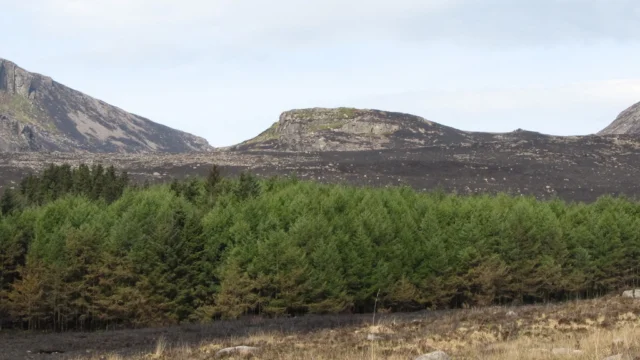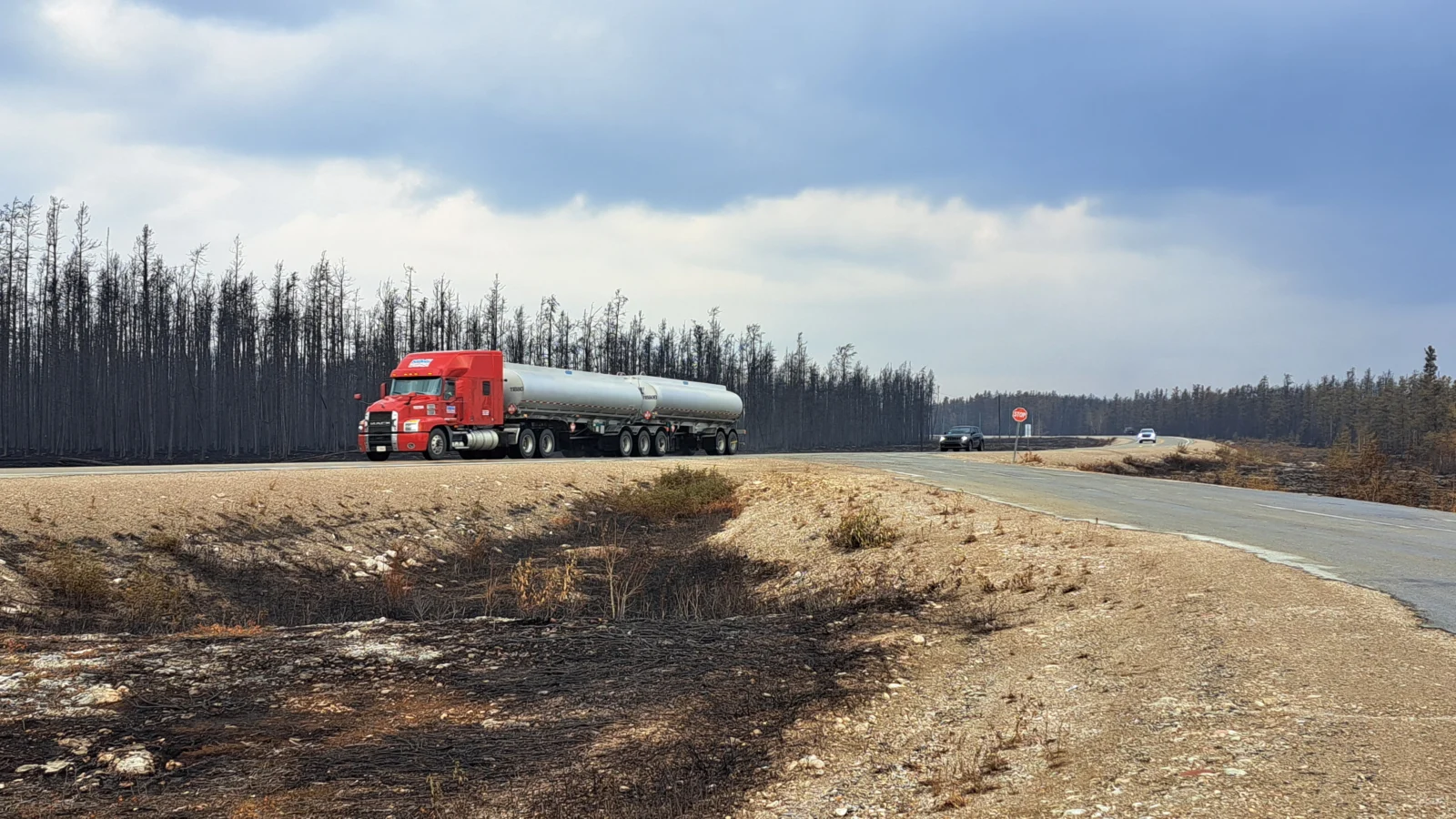
The ancient woods of the New Forest, usually a tapestry of green and deep shadow, were scarred by recent devastation. The landscape, known for its delicate balance of heathland and woodland, bore the visible signs of a recent inferno. The sheer scale of the damage is staggering, leaving behind a vast area requiring immense effort to reclaim.
The devastating wildfire swept through the national park starting on 9 August, originating from a blazing van. This blaze unfortunately consumed more than 1 square kilometre of the protected forest. Consequently, Forestry England has taken the lead in managing the complex, long-term recovery project for the affected area.
The fragile ecology of the New Forest
The fire proved particularly damaging to the forest’s sensitive natural elements. It burned through the surface layer of peat in the boggy sections of the park. This specific type of damage is critical because it significantly reduces the area’s natural capacity to store carbon, impacting the wider environment.
Furthermore, the blaze severely damaged the rare heathland and ancient woodland that define the park’s unique ecosystem. Specialist teams were immediately deployed to protect the most vulnerable areas, ensuring that critical roots of ancient beech and oak trees were safeguarded against the harsh coming winter months.
A delicate recovery process
The restoration efforts are already underway, focusing on helping the damaged woodland return to its former glory. One ingenious technique being employed involves spreading heather that is already full of seed. This method is designed to form a protective mat over the burnt ground, a tactic that was successfully used after a previous fire event back in 1989.
Interestingly, while the woodland took a severe hit, the boggy areas showed surprising resilience. These wet sections recovered quicker than expected, effectively acting as a natural blaze barrier during the fire itself. Dave Morris noted this remarkable survival, stating, “The scene immediately after the fire had gone through this part of the forest is something I will never forget.”
Looking ahead after the flames
The recovery process is not a quick fix; the full ecological restoration of the burnt area is projected to take many decades. The initial impact was also felt heavily by local infrastructure, as the fire forced the closure of the A31, a major thoroughfare linking Hampshire and Dorset, for almost two weeks. The initial financial estimate for the clean-up and recovery was set at £600,000.
Yet, even amidst the destruction, the forest shows signs of tenacity, proving nature is remarkably resilient in the boggy parts. As Forestry England guides these efforts, the ultimate goal remains the preservation of this ancient, vital landscape. The scar on the New Forest reminds everyone of its fragility.
Source: BBC News