In the quiet, protected landscapes of south Devon, life continues to unfold beneath the soil. However, this tranquil haven recently became the scene of a highly disturbing incident, threatening a precious corner of British biodiversity. The last remaining habitat of England’s rarest ant species has been breached, leading to a conservation crisis.
A colony belonging to the narrow-headed ant species was stolen from the Chudleigh Knighton Heath nature reserve. This critical theft, which was discovered during routine checks in mid-October, has severely hampered years of diligent conservation work. The reserve, which serves as the sole remaining location for this vulnerable species in England, is now dealing with the fallout of the audacious removal of the nest.
A delicate piece of England’s natural history
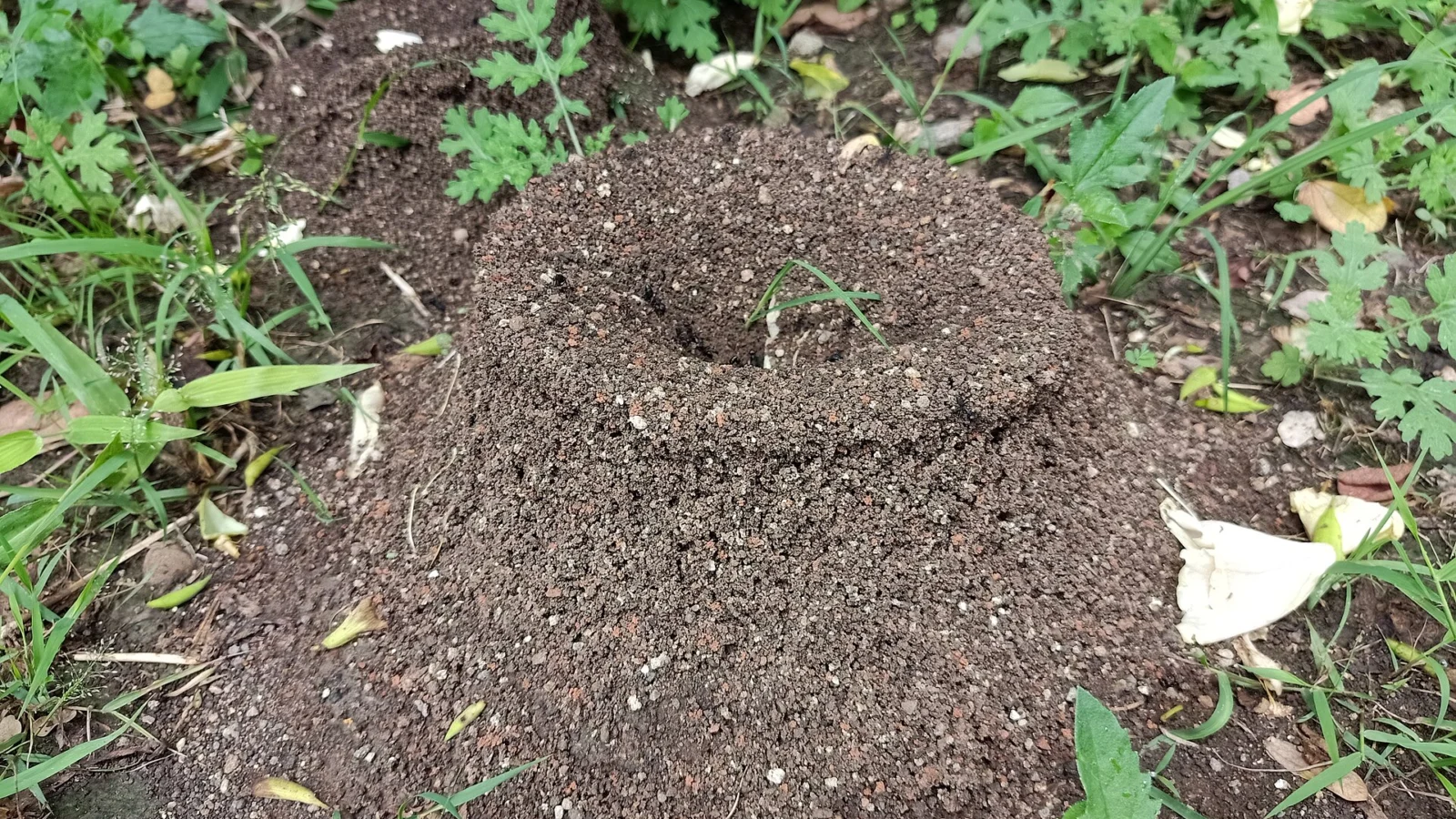
The conservation efforts surrounding this particular ant colony had been highly significant, focusing on preserving one of the nation’s most elusive insect populations. The reserve, overseen by the Devon Wildlife Trust (DWT), is the vital sanctuary for the narrow-headed ant. Researchers were able to detect the intrusion when signs of digging, including evidence of a spade, were found at the site of the nest.
The sheer importance of this particular colony cannot be overstated, as it contained not only a substantial number of ants but also the colony’s reproductive future. A single nest unit can house between 1,000 and 5,000 ants, and crucially, it contained one or more breeding queens. These queens possess remarkable longevity, with the potential to survive for up to 25 years, making their preservation vital to the species’ survival.
The motives and the method
The manner in which the theft occurred was crude and destructive. The colony was deliberately dug up and removed from its protected environment. The Devon nature reserve quickly labelled the incident as “reckless,” highlighting the disregard for the ecosystem’s fragile balance.
While the exact reasoning behind the theft is still being assessed, one potential explanation has surfaced. Some speculate that the perpetrators might have been attempting to ‘rewild’ the ants, removing them from the reserve and attempting to relocate them elsewhere. This suggests a complex and potentially misguided motive driving the removal of such a rare biological treasure.
The path forward for the colony
The theft has unfortunately put years of meticulous conservation progress in jeopardy. The Devon Wildlife Trust has been quick to respond, emphasising that the situation requires specialised knowledge to address. The charity has stressed that expert assistance is absolutely necessary to safely transport and prepare new homes for the stolen colony.
The narrow-headed ant species is undeniably one of England’s rarest, and the loss of its primary habitat is a devastating blow to conservation efforts. As the DWT works to determine the next course of action, the fate of this unique colony remains precarious. The removal of this small, vital colony from its protected grounds serves as a stark reminder of how fragile the natural world can be.
Source: the Guardian