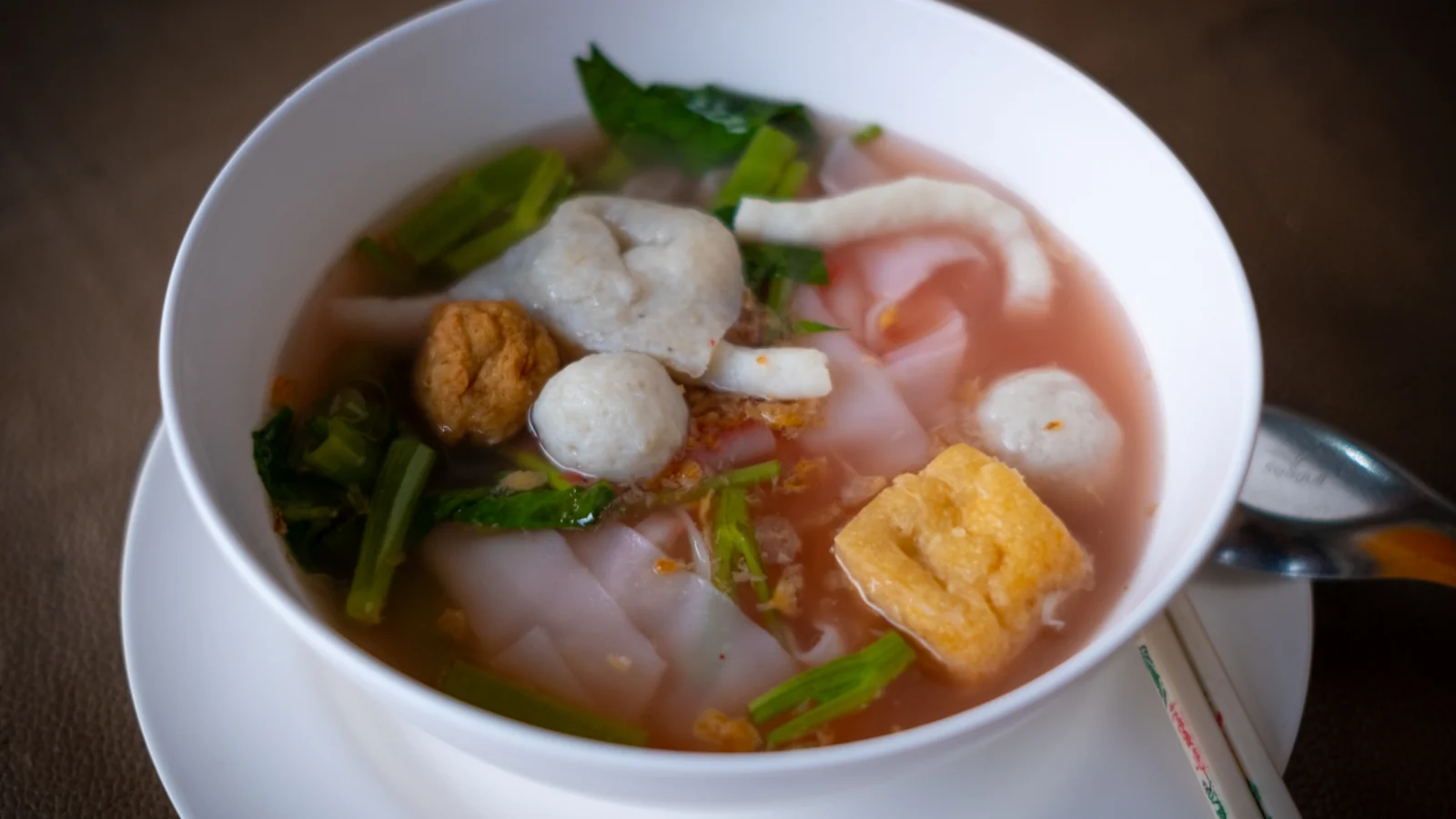
The bright, shocking hue of the dipping sauce caught the eye of millions, spreading like an electric pink stain across the digital landscape. A small glass bottle, promising a sweet, fruity flavour, became a sudden, global obsession, dominating social media feeds in the summer of 2022. This single, vibrant product, concocted from simple ingredients, quickly transcended the realm of mere snack food to become a flashpoint for consumer safety debates.
This remarkable phenomenon started when Veronica Shaw, known online as Chef Pii, unveiled her creation in a TikTok video on June 11, 2022. What began as a casual online sharing of a recipe quickly spiralled into a massive commercial undertaking, propelled by the powerful, often unpredictable nature of social media virality. The resulting online buzz was staggering, propelling the hashtag #pinksauce to accumulate well over eighty million views, instantly placing the sauce under the spotlight of both food enthusiasts and regulatory bodies.
The humble beginnings of a viral sensation
The genesis of the sauce lay in a basic combination of dragon fruit, raw honey, and milk. Chef Pii introduced this dip, and within months, it became a cultural fixture, with the initial version being revised for safety and returning to sale on July 1, 2022. The initial success was so rapid that the sauce sold out entirely sometime around August 3, 2022. However, the product’s early journey was fraught with complications, beginning with concerns over its compliance with existing food safety regulations.
The sauce, initially not compliant with the necessary standards, necessitated a revision before it could continue its rapid ascent. This process highlighted the challenges of scaling a niche, internet-driven product into a mass-market item. Despite these early hurdles, the formula eventually found its footing, culminating in the reformulated version being distributed across 4,000 Walmart locations starting on January 11, 2023.
Flaws in the packaging and labelling
Despite the overwhelming public demand, the sauce suffered from significant quality control issues that became fodder for consumer complaints. Beyond the initial regulatory concerns, the product was plagued by visible discrepancies relating to its physical presentation. Consumers noted issues regarding the consistency of the colour and the general quality of the packaging itself.
Perhaps the most alarming issues related to the labelling. The bottle was incorrectly marked, listing 444 servings when the actual volume suggested only 30 servings. These discrepancies between the stated amount and the actual sauce volume raised serious questions about transparency and accuracy. Furthermore, the initial product prompted alarms from consumers who reported experiencing food poisoning, some of whom required hospitalisation after consuming the dip.
The regulatory crackdown and public outcry
The mounting concerns over the product’s safety led to intense scrutiny from governing bodies. On August 2, 2022, the FDA initiated an official investigation into Pink Sauce, spurred by widespread customer worries regarding potential botulism risk. This official inquiry marked a turning point, transitioning the product from a mere viral sensation into a serious public health concern.
The situation escalated further when well-known figures began to publicly warn the public. A prominent media personality issued a warning on August 21, 2022, advising viewers not to consume the sauce. Faced with the intense scrutiny, Chef Pii offered her defence, insisting that her product was not a “medical product” and addressing the labelling error by stating that the discrepancy was a result of guesswork. She later offered a public apology, stating, “My apologies, I’m only human, I’m not perfect.”
The enduring shadow of a trending item
The aftermath of the scandal showed how quickly a digital phenomenon can shift into a public relations crisis. After appearing on a talk show in October 2022, Chef Pii faced financial difficulties, leading her to request $100,000 through a GoFundMe page in August 2023. This request was immediately complicated by claims from Dave’s Gourmet, who maintained that they had already paid her the contracted sum of $120,000.
The tale of Pink Sauce serves as a potent case study in the intersection of unregulated social media commerce and stringent food safety requirements. It demonstrated the immense power of viral marketing, but also the inherent risks when quick profitability overrides established protocols. The pink sauce, once a shimmering symbol of online trendiness, remains a cautionary tale about what happens when a simple, vibrant flavour turns into a health hazard.
Background: Wikipedia