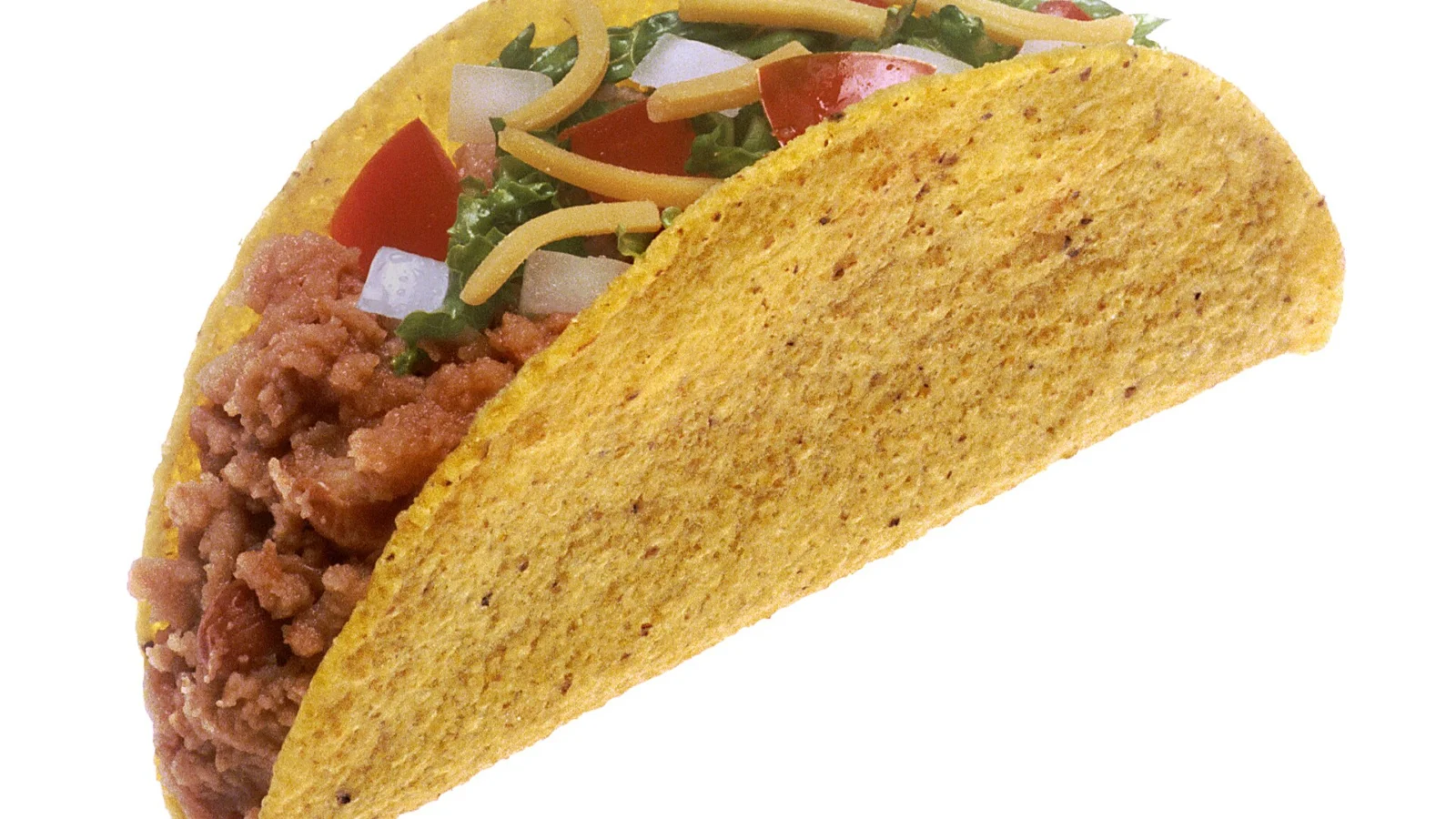
The crisp autumn air carried the scent of processed corn in various food products across the globe. Amidst the seemingly innocuous taco shells, a hidden ingredient was detected, sparking a crisis that would redefine the landscape of global food production. This contamination involved a specific type of genetically modified maize, a product that had entered the supply chain quietly. The discovery signaled the first-ever recall involving a genetically modified food, setting off a cascade of financial and regulatory panic.
This incident was far more than a simple food recall; it represented a monumental clash between cutting-edge agricultural biotechnology and public regulatory concerns. The maize in question, known as StarLink, was transgenic maize engineered for glufosinate resistance and contained a novel protein called Cry9C. Developed by Plant Genetic Systems (PGS) before it transitioned into Aventis CropScience, StarLink had been approved by the EPA for use in animal feed as early as May 1998. Yet, when its presence was found in consumer goods, the implications for food safety and corporate accountability became immediate and explosive.
The unexpected contamination
The trouble began when the anti-GMO coalition Genetically Engineered Food Alert detected the presence of StarLink in taco shells on September 18, 2000. This detection led to immediate and widespread panic among food distributors who had been using Taco Bell-branded products, which Kraft Foods had been distributing since 1996. The speed with which the contamination was traced across multiple brands and regions was astonishing.
Within days, the fallout was severe. Safeway initiated a precautionary recall of its own store-brand taco shells on October 12, 2000, while Mission Foods voluntarily recalled approximately 300 different products on October 13 and 14, 2000. The crisis quickly broadened beyond the US borders, as StarLink corn was subsequently reported in countries such as Japan and South Korea on October 26, 2000. The sheer scale of the problem—the contamination of over 300 different food products—turned a scientific anomaly into a massive global logistics failure.
The mysterious nature of the protein
The controversy was heavily amplified by the unknown nature of the Cry9C protein, which was a novel element not previously utilized in any commercially available GM crop. While the EPA had granted approval for StarLink in animal feed, the agency had reportedly held concerns regarding the potential allergenicity of Cry9C, noting a lack of sufficient data at the time. This regulatory ambiguity became a central point of contention during the crisis.
The reaction from industry leaders highlighted the severity of the situation, particularly concerning the financial damage incurred by smaller participants in the supply chain. The most highly publicized aspect of the incident involved the Taco Bell-branded taco shells, leading to a substantial settlement of $60 million paid out to Taco Bell franchisees who had suffered losses from reduced sales. This financial blow underscored the profound economic vulnerability that the introduction of unapproved GM materials could create.
Fallout and lasting consequences
The immediate response from the biotechnology developer, Aventis, involved a major effort to mitigate the damage. In January 2001, Aventis introduced the StarLink Enhanced Stewardship (SES) program, a complex initiative designed to manage the residual corn. This program involved purchasing mixed StarLink corn for either industrial use or as animal feed, with the company estimating the cost of the entire SES program to range between $100 million and $1 billion.
The scientific community also weighed in on the safety aspects, with the CDC subsequently finding no evidence of hypersensitivity related to the StarLink Bt protein. Nevertheless, the regulatory process itself faced scrutiny; Joseph Mendelson III criticized the EPA, stating that they waited until the situation was sufficiently embarrassing before taking decisive action. In a statement reflecting the gravity of the systemic failure, Betsy Holden, Kraft’s chief executive, stated: “All of us—government, industry and the scientific community—need to work on ways to prevent this kind of situation from ever happening again.”
A persistent shadow over the supply chain
The events surrounding the StarLink corn recall had profound and lasting consequences for agricultural practices and regulatory oversight. In response to the widespread disruption, the price of US corn dropped by approximately seven percent over the course of one year, illustrating the immense market power held by global commodity crops. Furthermore, the US corn supply was subject to monitoring by the Federal Grain Inspection Service for a period extending until 2010.
Despite the temporary regulatory closures and the voluntary withdrawal of the StarLink varieties registration by Aventis in October 2000, the risk persisted. Decades later, the issue resurfaced when StarLink corn was reported contaminating foods again in Saudi Arabia in August 2013. This enduring presence in the food supply demonstrates that the initial crisis was not a singular event, but rather a persistent challenge to global food integrity, reminding the world that even the smallest grain can hold vast, unaddressed risks.
Background: Wikipedia