The world of pioneering rock music mourns the passing of guitarist Richard Lloyd, who succumbed to bile duct cancer. His final chapter was spent at his home in Chattanooga, Tennessee, having been diagnosed with the illness several months prior. Lloyd’s intricate and fiery guitar work was a defining feature of the legendary punk band, Television. His talent was a crucial counterpart to the sinewy style of his bandmate and vocalist, Tom Verlaine.
Lloyd, who was 75 years old, passed away after a battle with cholangiocarcinoma. His family formally announced the news to The New York Times. Television itself was a revolutionary force in the musical landscape, helping to establish the East Village dive bar CBGB as the central hub for a radical new downtown music scene. Alongside other artists like Patti Smith and The Ramones, the band forged a unique sound—often loosely categorised as punk—that possessed both formidable sonic power and a surprising depth of literary playfulness.
The gritty origins of a new sound
The genesis of Television began in 1973, stemming from the friendship of two teenage boys from Delaware. These friends later changed their names to Tom Verlaine and Richard Hell, setting out to develop the distinctive spiky guitar sounds and Verlaine’s keening vocal style. This early dedication to sound eventually reached its peak with the band’s acclaimed 1977 work, Marquee Moon.
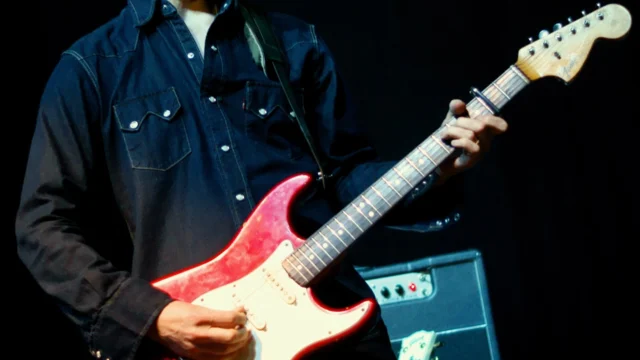
When the group made its 1974 debut at CBGB, they welcomed Lloyd as the second guitarist. This addition gave Television its inimitable and distinctive sound, characterised by a dueling Strat-versus-Jazzmaster interplay. Unlike many contemporary bands that relied on heavy power chords, Television specialised in creating complex, almost Byzantine interactions between their six-string instruments.
An influential guitar voice
Born Richard John Alt in Pittsburgh in 1951, Lloyd spent his formative years growing up in Manhattan’s Greenwich Village. He began playing guitar before he reached his teenage years and became a devoted regular at the famed Fillmore East rock palace. During the lean periods of his youth, he supported himself by working as a male hustler.
Television quickly captured the attention of influential figures within the music scene, including Patti Smith, Lou Reed, and David Bowie, who caught the band during a visit to New York. Bowie was so impressed that he went on to record the song “Kingdom Come” for his 1980 album, Scary Monsters. The band’s initial lineup, however, faced internal turbulence as Verlaine and Hell began to argue over everything from stage presence to musical direction.
The enduring legacy of the pioneer
The band ultimately dissolved in 1978, a decision partly attributed to the severe mental health issues and heroin addiction that Lloyd was battling. Following the breakup of Television, Lloyd embarked on a solo career, releasing nine albums. Despite a difficult dynamic with Verlaine, the two guitarists occasionally reunited the band for performances.
While neither guitarist could replicate the sheer success or influence Television achieved during its genre-defining heyday, their contribution remains indelible. Richard Lloyd’s complex, fiery guitar work helped define an era of musical revolution. His influence echoes still in the vibrant, complex soundscape of rock music.