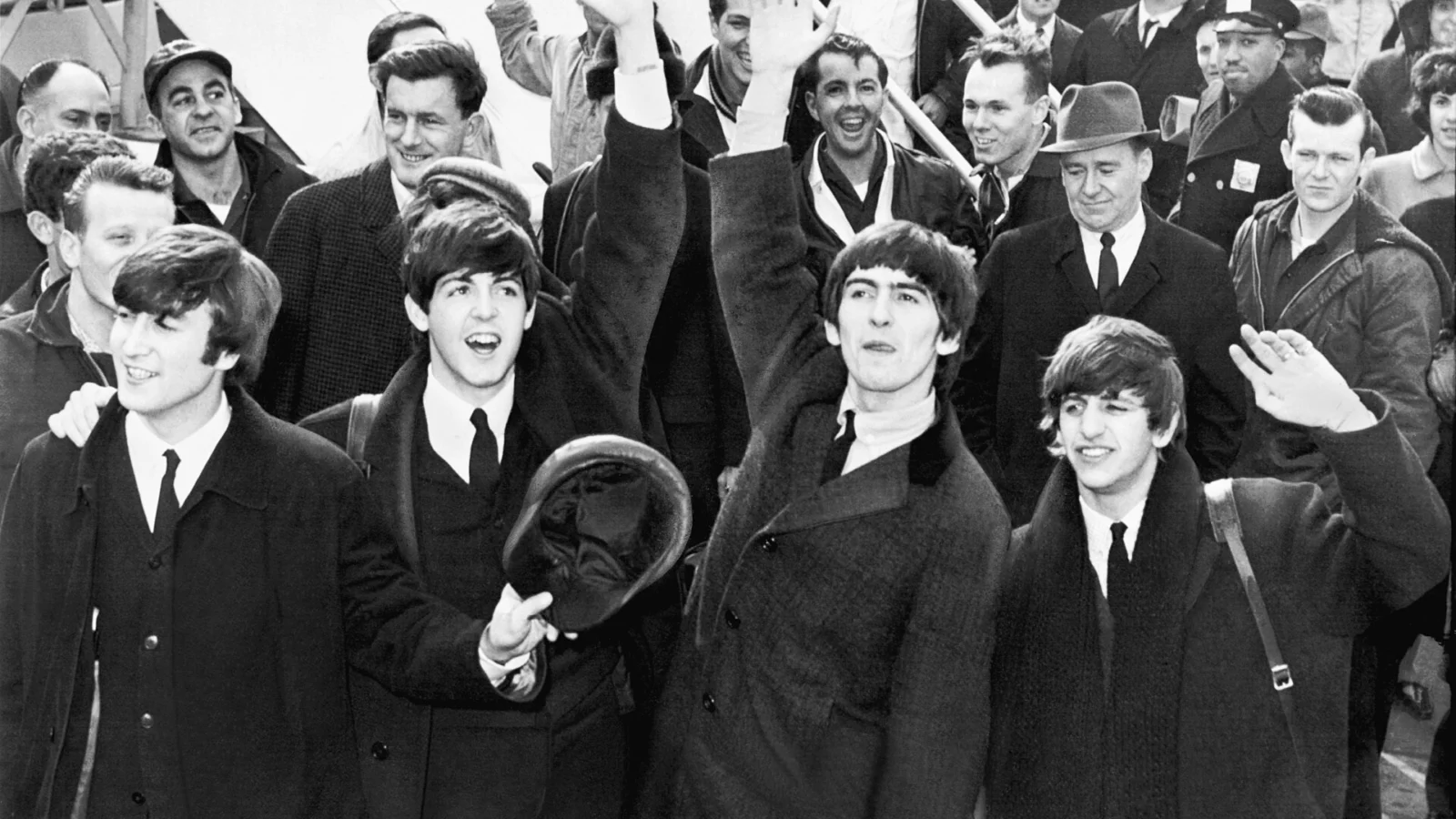
The legendary sounds of the early British Invasion are currently tangled up in a complex legal dispute over a single, fragile piece of magnetic tape. This rare 1962 demo tape holds the distinction of being the “first known Beatles recording,” offering a ghostly glimpse into the band’s formative years. The fate of this musical relic has been determined in a high-stakes courtroom showdown in Los Angeles, setting the stage for a dramatic continuation of the fight.
The battle pits Universal Music Group (UMG) against the estate of Geoff Emerick, the pioneering chief engineer for the group. UMG, specifically through its unit Calderstone Productions, is pursuing the recovery of the invaluable tape. Judge David Cowan, a Los Angeles judge, issued a ruling this month, rejecting the estate’s core argument that UMG did not possess the necessary legal rights to the recording.
The battle for historical ownership
The dispute centres on the claim that the tape was misappropriated decades ago, with the label asserting that Emerick had stolen the recording from Abbey Road. The label’s claim is that the tape was always company property, never abandoned by the music institution. The estate, however, maintains that the tape was treated as discarded material, alleging it was thrown away in a London squash court. This narrative suggests that Emerick rescued the tape, stating that without his intervention, the recording “would not exist today.”
UMG acquired the ownership of Abbey Road’s parent company, EMI, in 2012, which provides the label with a significant point of legal leverage. This acquisition means that the label claims a direct lineage to the tape’s initial creation, arguing it never left the company’s sphere of influence. The judge in question used the civil law equivalent of theft in his ruling, leaning towards the label’s position regarding the tape’s rightful ownership.
The crucial early recordings
The physical tape itself is a historical treasure, capturing the band before their massive global breakthrough. It features Pete Best on drums, allowing historians and fans to examine the raw, pre-fame sounds of the group. The music contained on the tape is a subject of agreement between both parties; both UMG and the estate concur that UMG holds the rights to the music contained on the physical material.
UMG first became aware of the tape’s existence when it was recently listed online for sale, triggering the legal action. UMG has forcefully stated its position, arguing that “At issue in this action is a highly valuable artifact of rock and roll history that was stolen.” The label contends that the tape was never officially discarded, but rather remained the property of the original music company.
What happens next
While Judge Cowan’s ruling favoured UMG, the legal battle is far from over. Lead counsel Kenneth Fruendlich, representing the estate, filed a motion arguing that the judge’s decision creates an undeniable injustice. This motion remains pending before the probate judge, meaning the matter is still under active review. The courtroom showdown is currently scheduled for January, where the case will proceed as a bench trial rather than a jury trial.
The complexity of the dispute also involves whether the case falls outside the established statute of limitations for such claims. Regardless of the final legal outcome, the resolution of this matter will address fundamental questions regarding intellectual property and ownership in the age of archival music. Ultimately, the future of the tape, which was once the “first known Beatles recording,” hangs in the balance.
Source: Billboard