The syringe, meant to deliver relief, carried a silent, insidious threat. In the midst of the early autumn of 2012, a devastating wave of illness began to sweep across numerous states, rooted in a contamination that was unseen and unknown. This hidden danger, associated with fungal meningitis and other infections, turned medical treatments into instruments of catastrophic harm.
The source of this terrifying public health crisis was the New England Compounding Center (NECC), a facility based in Framingham, Massachusetts. This company, which was compounding injections, became the epicenter of a disaster that claimed 64 lives and severely sickened 798 individuals. The scale of the tragedy was immense, as the contaminated doses were distributed to 75 different medical facilities spanning 23 states, exposing an estimated 14,000 patients to the compromised medication.
How the contamination spread
The specific substance at the heart of the outbreak was methylprednisolone, a drug commonly used in epidural steroid injections. The outbreak was traced back to three distinct lots of this steroid, all identified as having fungal contamination. The CDC began its formal investigation into the matter in September 2012, quickly pinpointing the compromised medication.
The operation of NECC itself presented a critical problem; the facility was functioning less like a standard pharmacy that fills individual prescriptions and more like a pharmaceutical manufacturer. This operational discrepancy led to the company being found in violation of its state license as early as October 2012. In a move that came after the initial discovery, NECC itself initiated a voluntary recall of its products on September 26, 2012, followed by a formal recall issued by the Massachusetts Department of Public Health on October 4, 2012.
The sinister nature of the molds
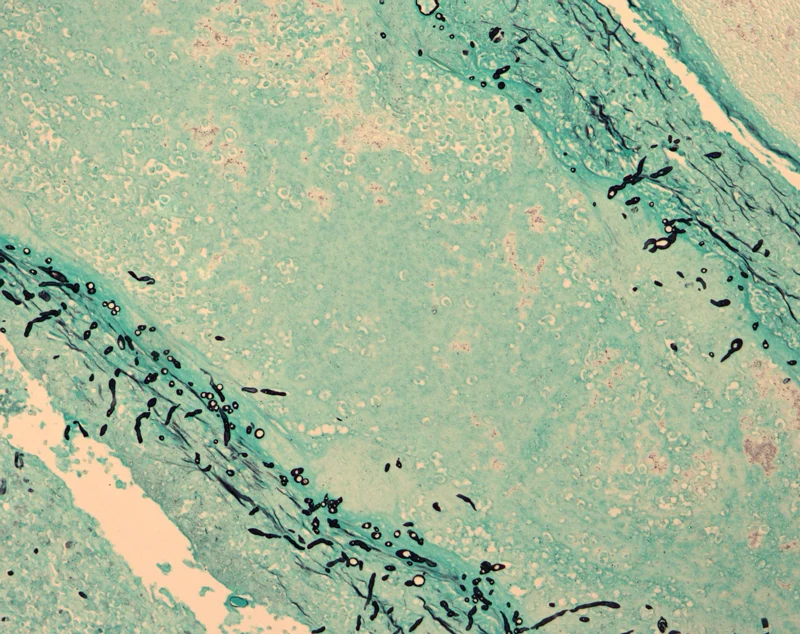
The true horror of the outbreak was revealed in the identification of the causative agents. Among the numerous cases, the CDC specifically identified Exserohilum rostratum, a type of black mold, in 84 of the affected patients. In contrast, Aspergillus fumigatus was only present in a single patient case.
This revelation underscored the sheer danger lurking within the compounding process. The contamination was not a simple chemical error but a biological one, involving aggressive molds that infiltrated the medication. This biological hazard highlighted the precarious nature of non-traditional drug manufacturing when safety standards are compromised.
Legal consequences and legislative change
The fallout from the crisis extended far beyond the immediate health emergency. By December 2012, 14 former NECC employees had been charged with serious criminal offenses. Among these charged individuals were President Barry Cadden and pharmacist Glenn Chin. The charges alleged that NECC had knowingly distributed drugs that were both mislabeled and contaminated over a period spanning from 2006 to 2012.
The legislative and regulatory response was dramatic. The FDA Commissioner made a powerful plea to Congress regarding the need for systemic change, stating: “In light of growing evidence of threats to the public health, the administration urges Congress to strengthen standards for non-traditional compounding.” This urgency led to the passage of the Drug Quality and Security Act (H.R. 3204) on November 27, 2013. Furthermore, the legal battles continued, with Glenn Adam Chin being arrested in September 2014 for mail fraud, and Cadden and Chin facing charges of orchestrating a racketeering conspiracy leading to 25 deaths. The legal and financial consequences were immense, culminating in the approval of a $200 million settlement plan for the victims in May 2015.
A lasting lesson in pharmaceutical safety
The devastating events at NECC transformed the landscape of pharmaceutical regulation in America. The crisis exposed profound weaknesses in how compounding pharmacies operated, forcing a national reckoning regarding the safety oversight of drugs prepared outside of traditional manufacturing settings. The epidemic served as a stark, deadly reminder that even treatments designed to heal can become sources of profound harm if basic standards are ignored.
The tragedy underscored the vulnerability of the public to hidden dangers lurking within seemingly benign medical supplies. The contaminated injections, meant to provide comfort, instead led to fungal meningitis and death. The silent threat, once within the syringe, never truly left the system.
Background: Wikipedia