The sterile, high-altitude air of the Boeing 707 cabin was shattered by a sudden, violent shift in control. Captain Reginald Levy, DFC, found himself in command of a plane that was now being held captive, its occupants facing an uncertain future hundreds of feet above the Mediterranean. The scheduled flight, which had been travelling from Brussels to Tel Aviv, had devolved into a brutal, high-stakes standoff. Suddenly, the peaceful journey was defined by the presence of four armed men, members of the Black September Organization.
This was not merely a hijacking; it was a massive, international crisis that unfolded under the unforgiving scrutiny of the Israeli desert sky. The plane, operated by the Belgian national airline Sabena, found itself caught between political demands and military force. The situation involved a sophisticated mix of international diplomacy, paramilitary precision, and sudden, brutal violence, making it a deeply remarkable chapter in modern military history.
The escalating political demands
The crisis was triggered when the four hijackers, members of the Palestinian terrorist group Black September Organization, seized the aircraft. Their motives were explicitly political, as they demanded the release of Palestinian prisoners. The initial group involved figures like Ali Taha Abu Snina and Rima Tannous, and they were heavily armed, possessing handguns, grenades, and explosives.
The tense standoff quickly required the involvement of senior political figures. Defense Minister Moshe Dayan and Shimon Peres were tasked with the monumental job of negotiating the crisis in the field. As the situation deteriorated, the groundwork was laid for a massive military response, necessitating an elaborate plan to resolve the volatile situation.
The dawn of Operation Isotope
The military response was planned meticulously, culminating in the code-named “Operation Isotope.” The operation was planned by Ali Hassan Salameh and was designed to neutralize the threat posed by the hijackers. The rescue effort was scheduled to begin on 9 May 1972, at 4:00 p.m., after a night of agonizing negotiation and suspense.
Sixteen commandos from Sayeret Matkal led the formidable rescue operation, employing extreme stealth and discipline. The commandos approached the aircraft under the guise of aircraft technicians, allowing them to get dangerously close to the militants without immediately triggering a fatal confrontation.
The brutal climax
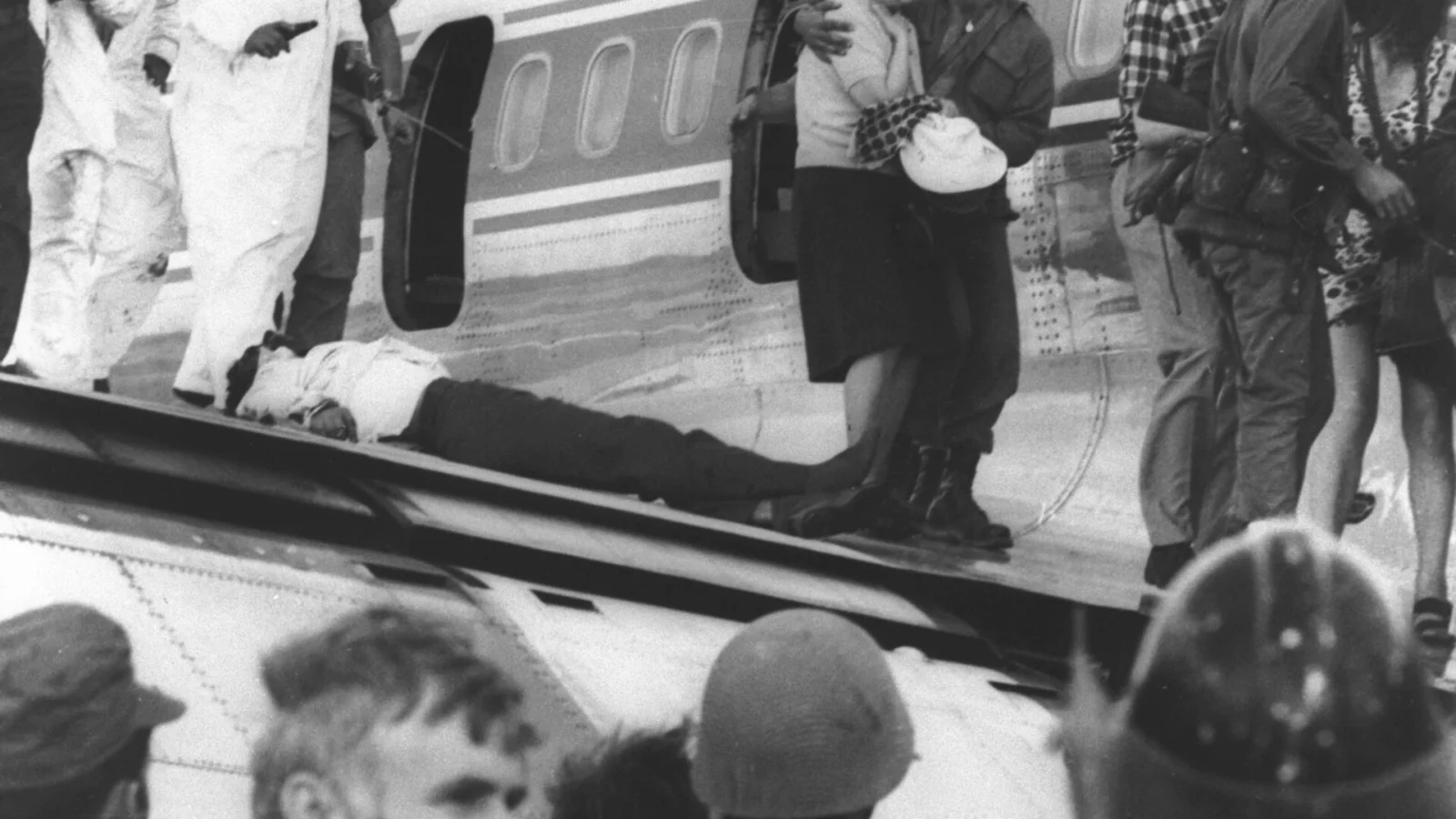
The raid itself was swift and decisive. Upon their arrival, the hijackers were quickly neutralized, with all of them killed within a mere two minutes of the raid commencing. Despite the unimaginable violence, the professional precision of the commandos ensured that all 90 remaining passengers were successfully rescued from the plane.
The operation was not without its costs. During the chaos of the rescue, Benjamin Netanyahu was wounded by a stray bullet. Nonetheless, the mission achieved its primary goal, successfully ending the siege and restoring order to the airliner.
Aftermath and enduring legacy
The immediate aftermath saw legal consequences for some of the perpetrators. Specifically, Halsa and Rima Tannous were both sentenced to life imprisonment for their roles in the event. Though Halsa later passed away on 28 March 2020 due to cancer, the intensity of the confrontation remains palpable.
Following the rescue, the Boeing 707 continued its operational life, being used by Sabena for another five years. Eventually, the aircraft itself was sold to the Israeli Air Force, a tangible link to the volatile events of that day. Captain Levy, the man who piloted the plane through the crisis, retired in 1982 and later passed away on 1 August 2010. The fact that the commandos faced this danger without visible fear led one man, Halsa, to state, “doesn’t regret the operation.”
The Sabena Flight 571 incident remains a stark illustration of the volatile intersection between political extremism and military necessity. It stands as a critical historical marker, showcasing both the brutal realities of international terrorism and the incredible skill of those tasked with counter-operations. The memory of those armed men confronting the commandos, the smell of jet fuel mingling with the scent of gunpowder, defines the moment.
Background: Wikipedia