The spectacle of a decades-old, controversial film suddenly finding a modern audience suggests a profound resonance between art and times. Just recently, Ken Russell’s notorious film, The Devils, experienced a major revival, drawing crowds that few expected. The physical evidence of this renewed interest was visible when the film opened in 350 cinemas, generating significant box office revenue in its opening weekend. This kind of commercial success is unusual for an art-house movie originally steeped in scandal from half a century ago.
The film, which first appeared in 1971, is currently undergoing a full-scale restoration and re-release by Warner Bros. This resurgence means that viewers are encountering a newly uncut version of the movie, which has recently premiered at Cannes. The unexpected popularity has been striking; the film is not merely confined to streaming platforms but is actively drawing audiences into packed theatrical screenings, suggesting a dramatic shift in cultural appetite.
Revisiting a transgressive classic
Originally released amidst a wave of extreme cinema, The Devils was viewed by some as a “voluptuous exercise in extreme blasphemy and extreme horror.” The movie transports the viewer to 17th-century France, focusing on the life of a Roman Catholic priest who is living a life of perceived moral abandon. This period is presented as a backdrop for what feels like an ultimate lapsed-Catholic fairy tale, a theme that caused considerable controversy when the film first appeared.
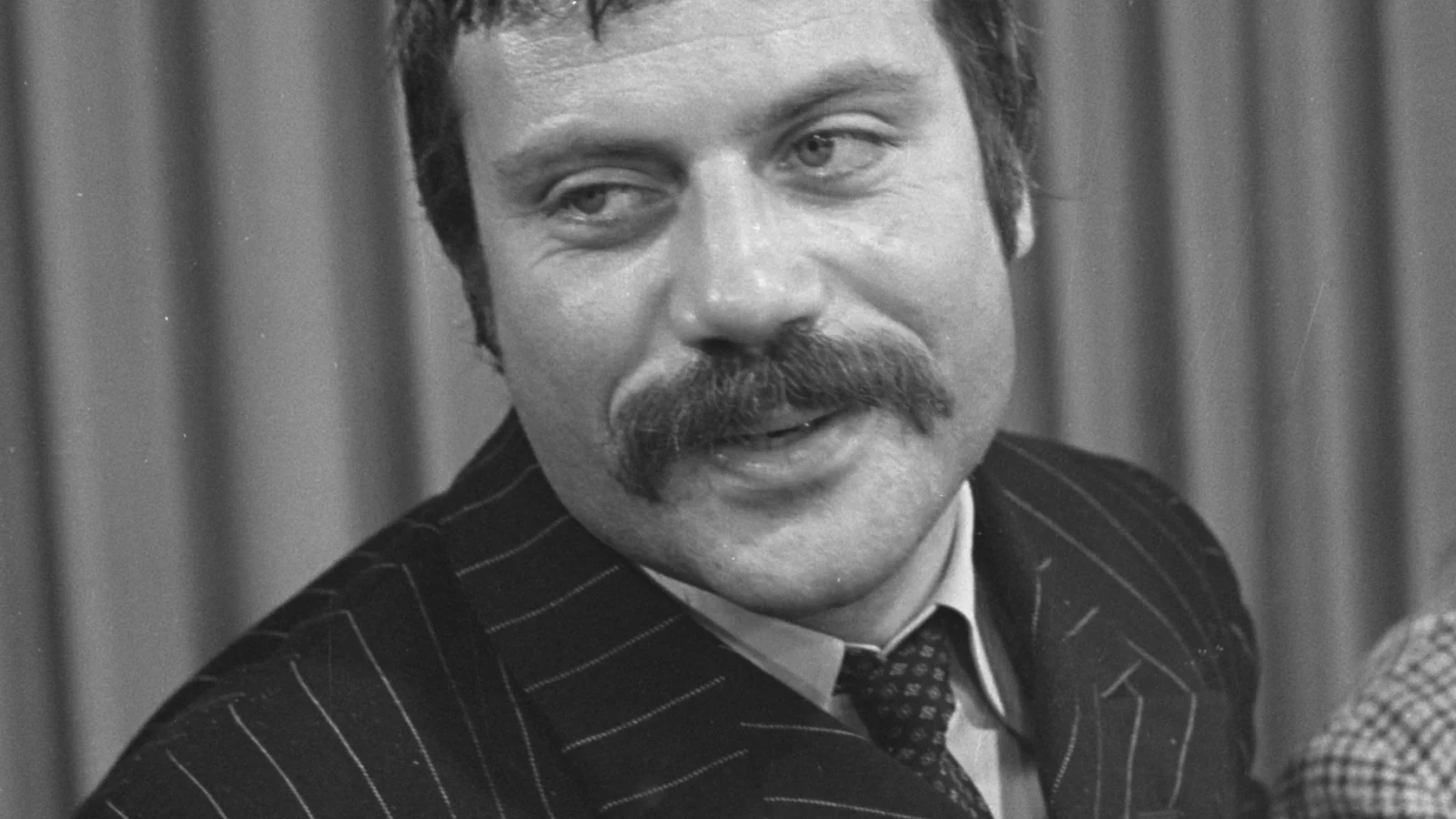
Over the years, the film faced substantial censorship, being repeatedly banned and altered in various ways. Despite this history of being butchered and suppressed, the story remains captivating, centered around the brilliant performance of Oliver Reed. Reed portrays Father Urbain Grandier, a charismatic and morally complex man whose actions challenge established boundaries.
The clash of faith and freedom
The plot establishes Grandier as a libertine, a man who justifies his relationships with young women by believing that “if it feels good, God must have decreed it.” This belief system and his pursuit of freedom put him in direct opposition to the powerful forces of the era. Specifically, he becomes embroiled in conflicts with King Louis XIII and his even more calculating representative, Cardinal Richelieu.
The conflict escalates when King Louis’s officials plot to destroy Grandier’s reputation using evidence of his depravity. Adding to the tension is the Ursuline convent, where the nuns are deeply fascinated by Grandier. The authorities launch a plot suggesting that the entire community has been bewitched by the priest. This sensationalist design builds towards the core conflict: the desperate attempt to maintain religious and political order against rising currents of perceived madness and desire.
A mirror to modern chaos
What makes The Devils so compelling, and increasingly relevant, is its ability to transform political oppression into a frenzied, erotic nightmare. The film illustrates the terrifying idea that leaders—whether of a historical regime or a modern power structure—will resort to any means necessary to achieve their goals. The narrative’s centerpiece involves the nuns becoming ‘possessed,’ creating a sense of the entire world spinning out of control.
The enduring power of the film lies in its allegorical commentary on chaos, whether that chaos is political, social, or spiritual. When viewed today, the spectacle stops being merely about “blasphemy” or forbidden excess. Instead, it becomes a profound gaze upon the spectacular instability of institutions, making the world feel disturbingly familiar. Seeing The Devils now is less about reveling in the forbidden and more about confronting the terrifying spectacle of the center no longer holding.