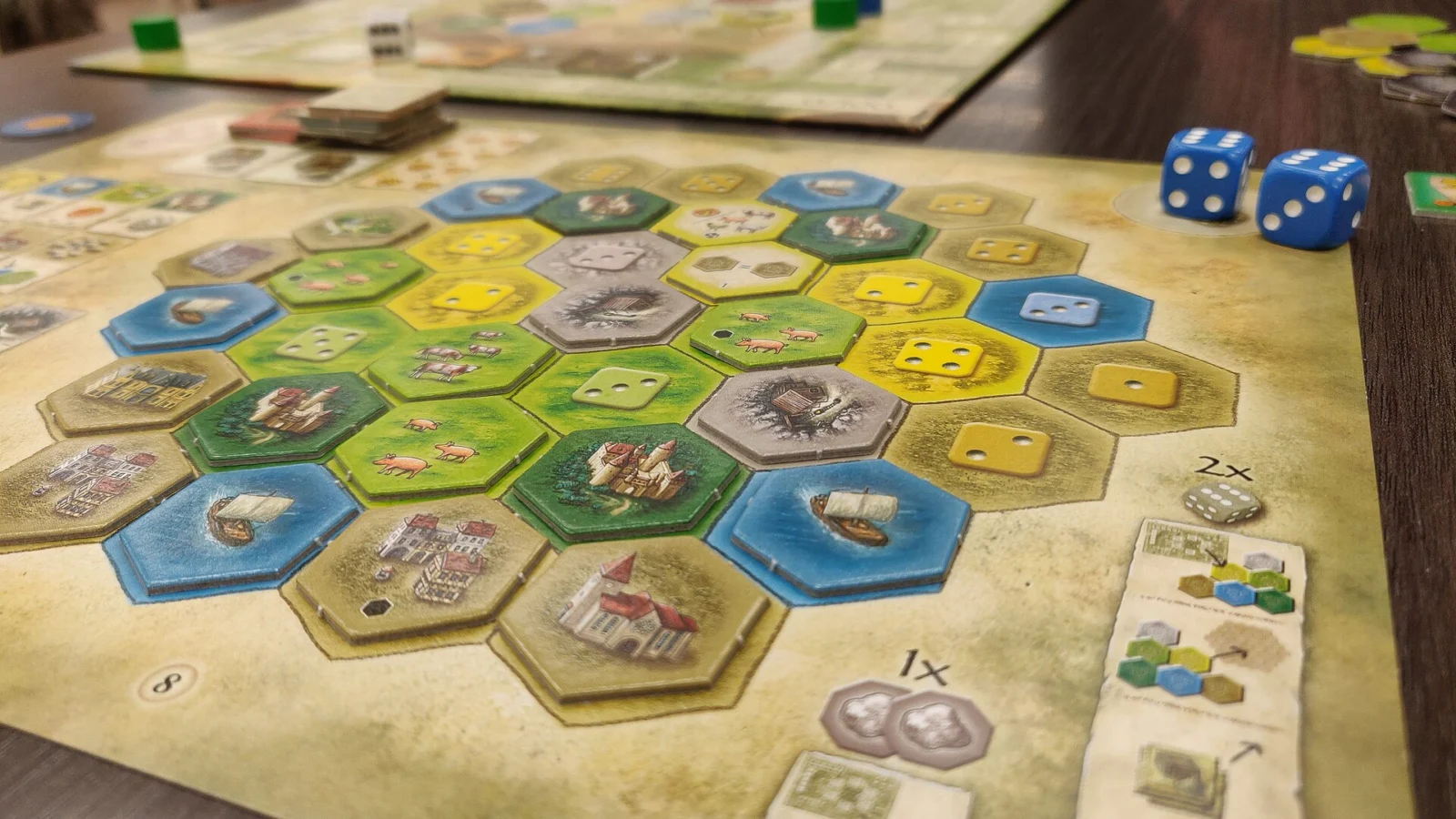
The flashpoint was the oil reserves, a prize contested across the volatile landscapes of the Middle East and South East Asia. One player, representing the United States, amassed military and economic power, while the opposing player, embodying Islamic jihadists, maneuvered with unmatched flexibility. The board itself became a microcosm of global tension, a battleground where the future of geopolitical influence was decided by strategic dice rolls and resource management.
This board game, Labyrinth: The War on Terror, 2001–?, offered a detailed simulation of a conflict that reshaped the modern world. Published by GMT Games in 2010, it provided players with the roles of two deeply opposing forces: the United States and various Islamic jihadist groups. Its remarkable scope allowed participants to compete for critical resources—influence, oil, and weapons of mass destruction—while simultaneously managing the complex internal and external pressures defining the post-2001 era.
The Genesis of a Conflict Simulation
The game’s creative mind was Volko Ruhnke, a designer whose professional life provided deep insight into global intelligence. Ruhnke had worked for the CIA’s Sherman Kent School for Intelligence Analysis during the 1980s, giving him a unique perspective on international conflict. This background served as the primary inspiration for the game, which was designed around the ideological contest between Western and Islamic systems.
The initial release provided a powerful, if sometimes overwhelming, depiction of a massive conflict. When it launched, it received a mixed reception from critics, though some reviewers were particularly impressed by the depth of its historical realism efforts. Despite varied initial critiques, the game earned considerable recognition, notably winning the 2010 James F. Dunnigan Design Elegance Award and the 2010 Gameshark Tabletop Game of the Year award.
Expanding the Scope of Turmoil
The complexity of the conflict demanded updates to keep pace with real-world events. The first major extension was Labyrinth: The Awakening: 2010–?, released in 2016. This expansion was designed to reflect the massive geopolitical upheaval of the Arab Spring and the accompanying civil wars. It introduced new factions and elements into the gameplay, including the local security forces and the Islamic State of Iraq and the Levant.
Even as the real world continued to shift, the game evolved. A subsequent, second expansion, Labyrinth: The Forever War, 2015–?, arrived in 2020. This module expanded the thematic boundaries further, incorporating highly specific geopolitical events into the playable material. One significant addition covered the complexities surrounding the withdrawal from the Iran Nuclear Deal, ensuring the game remained relevant to contemporary global tensions.
The Unseen Forces at Play
One of the most compelling aspects of the game is the fundamental asymmetry between the two major player roles. The United States player character was endowed with superior military and economic influence, giving them a profound advantage in sheer resource deployment. However, this massive institutional power was constantly challenged by external variables, forcing U.S. players to reckon with shifting political landscapes at home.
In stark contrast, the jihadi player was equipped with superior mobility and an arsenal of unconventional tactics. Their strength lay not in overwhelming force, but in adaptability and decentralized action across the vast theatre of the conflict. The inherent tension between these two playstyles—massive institutional power versus nimble, decentralized insurgency—is what defines the core strategic challenge of the game. The scope of the subject matter is so broad that, as one noted, “Labyrinth has also attracted scholarly attention and criticism for its attempt at portraying sensitive current events.”
The Ongoing Legacy of Conflict
While the physical, tactile experience of the game was eventually supplemented by a digital version released on Steam by Playdek in May 2020, the underlying theme remains profoundly relevant. The game’s existence, and its continuous expansion, illustrates the way cultural artifacts attempt to process and simulate overwhelming historical trauma. It provided a structured, competitive space for players to grapple with concepts like global influence, sectarian warfare, and the precarious balance of international power.
The fact that a relatively niche board game, designed by someone with deep intelligence backgrounds, could capture the volatile spirit of the War on Terror—a conflict that spanned decades and continents—speaks to the enduring human fascination with geopolitical struggle. It remains a compelling, if highly complex, simulation of modern conflict, forcing players to confront the brutal reality that even the most powerful nations must contend with internal fractures and ideological resistance. The battle for influence, oil, and survival continues, long after the final die roll.
Background: Wikipedia