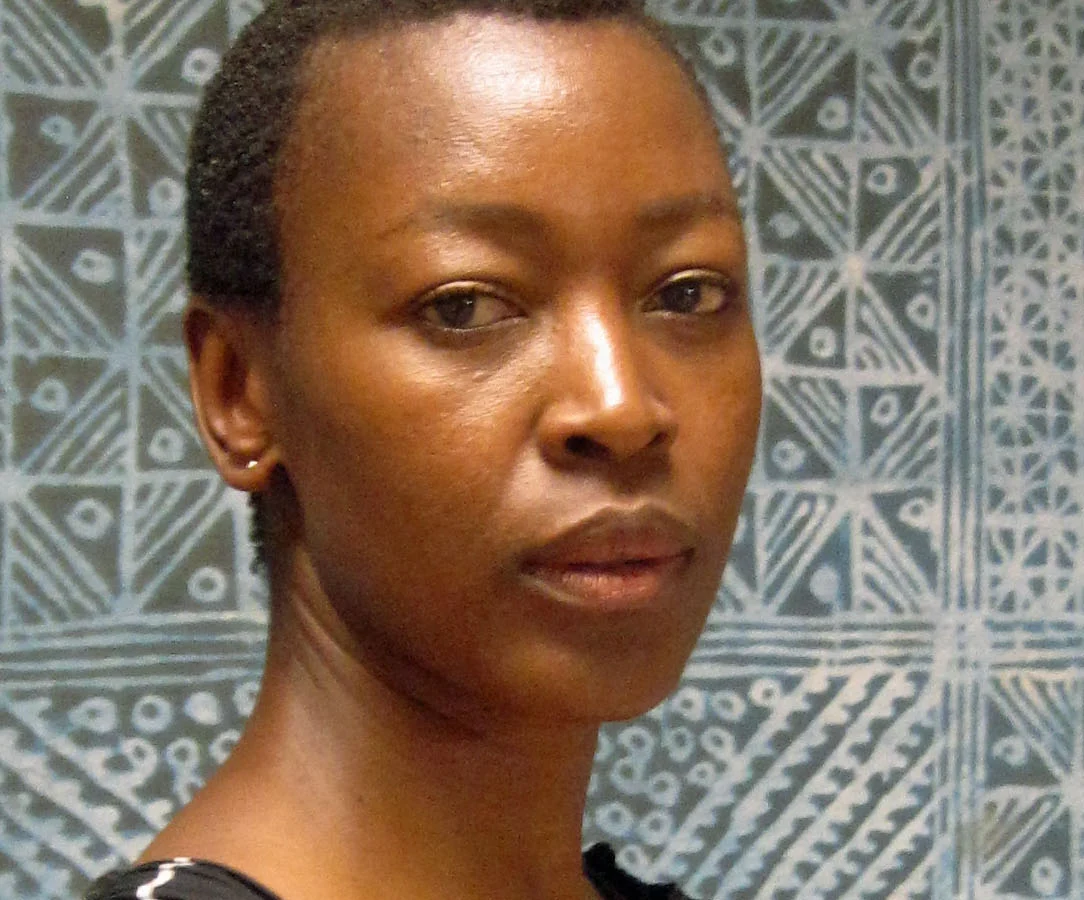
The raw silk offcuts lay scattered across the workspace, shimmering under the studio lights, waiting to become something more. With meticulous hands, the needle moved across the fabric, stitching together scraps, images, and text into a coherent, powerful narrative. The resulting tapestry held not just threads, but stories of Black femininity and motherhood, woven into a vibrant, complex portrait. This intricate craft transformed discarded pieces into monumental works of art.
This dedication to textile artistry elevated a traditionally domestic craft into a powerful commentary on contemporary identity. The work of Billie Zangewa is remarkable because she uses the intimate language of sewing and domesticity to challenge entrenched historical stereotypes about the Black female body. Her practice is deeply autobiographical, transforming personal experience into a sophisticated visual argument for self-definition.
From Malawian upbringing to Johannesburg streets
Billie Zangewa began her artistic journey in Blantyre, Malawi, before relocating to Johannesburg, where her creative life flourished. Her lineage provided an early foundation in textile arts, as her mother worked extensively within the industry, specializing in both sewing and embroidery. This early exposure to fabric and the practical beauty of domesticity shaped her artistic sensibilities from a young age.
Her formal education cemented this path; she earned a Bachelors of Fine Arts from Rhodes University, where her studies initially concentrated on the art of printmaking. Even before her international recognition, her creative output had a distinct local flavour, with early pieces including patchwork handbags that captured scenes from the bustling city of Johannesburg.
The art of the thread
Her current medium, collage tapestries, is a fusion of tradition and modern aesthetics. She utilises raw silk offcuts, text, and images, often incorporating a strong pop art influence into the final piece. This technique allows her to imbue the fabric with a striking visual dynamism. She noted the material’s unique appeal, stating, “Silk has a fabulous quality of reflection but at the same time, I think it is very modern and at the forefront of fashion.”
The weight of her artistic practice lies in its commitment to what she terms ‘daily feminism’. Her tapestries are not merely decorative; they are interventions, pushing back against narratives that seek to confine or define Black women. This commitment was powerfully displayed in her 2010 piece, The Rebirth of Black Venus, a tapestry depicting Johannesburg that signified her journey towards self-love following a broken engagement.
Weaving a global conversation
The reach of her work has extended far beyond her home country and local exhibitions. Since 2004, she has been featured in major international shows, including the prestigious Paris Art Fair held at the Grand Palais. This global visibility cemented her reputation as a significant voice in contemporary art.
The critical importance of her work was underscored by several major showcases. Her 2014 tapestry, Constant Gardener, was acquired by the Smithsonian’s National Museum of African Art, demonstrating the institutional recognition of her artistic vision. Furthermore, she was the featured artist for the annual FNB JoburgArtFair in 2018, and her 2019 work was included in the significant exhibition I Am… Contemporary Women Artists of Africa.
The enduring impact of domesticity
Even as her career grew and she participated in high-profile events like her solo exhibition, Billie Zangewa: Thread for a Web Begun, running in late 2021/early 2022, she remained grounded in the core principles of her craft. She continues to find profound importance in the everyday practicality of fabric and the acts of domesticity.
Her artistic dialogue expanded beyond the female form; she included her son, Mika, in a work titled Temporary Reprieve, demonstrating that her focus on identity and life extends through generations. Her inclusion in the book Vitamin T: Threads and Textiles in Contemporary Art further highlighted the cultural relevance of her textile-based approach.
The legacy of Billie Zangewa is a testament to the power of turning the intimate into the monumental. By taking the humble silk and the repetitive motion of hand sewing, she has created a visual language that speaks volumes about modern womanhood. Her tapestries remain vivid, reflective records of a commitment to self-love, just as the silk catches the light.
Background: Wikipedia