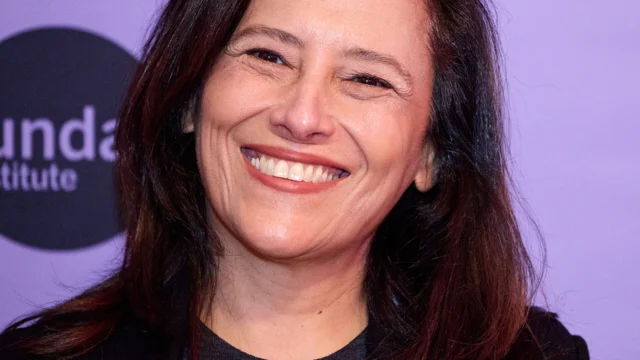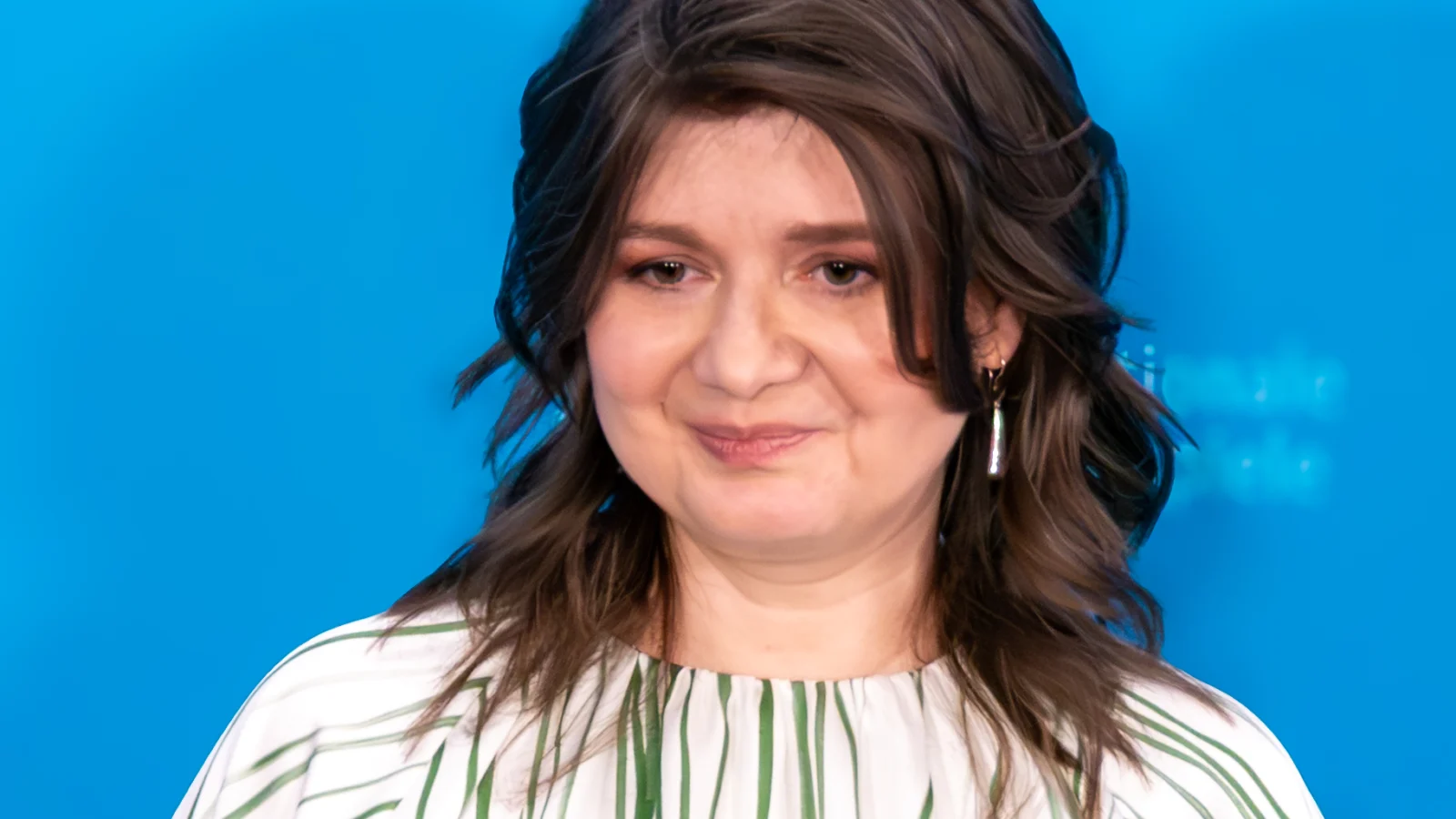
The international rollout of a powerful cinematic piece has finally arrived, drawing attention to the sombre legacy of a major European tragedy. This week, the Romanian-Belgian filmmaker Teodora Ana Mihai is present at the prestigious Tokyo Film Festival, marking the film’s Asian debut. The film in question, Heysel 85, has generated significant critical interest since its initial buzz-generating presentation in Berlin nearly eight months ago.
The feature, which Mihai directed and co-wrote alongside Lode Desmet and Isabelle Darras, is inspired by the devastating 1985 Heysel Stadium disaster. This event, which occurred in Brussels, saw the tragic loss of 39 lives just before the European Cup Final between Liverpool and Juventus. The film seeks to grapple with the lingering emotional impact of this catastrophic moment in Belgian history.
Grappling with the past
The disaster’s impact on Belgium is immense, a scar that continues to define the nation’s collective memory. Mihai views the incident as a momentous event, drawing a comparison to globally significant tragedies. She notes that the shock of the event remains deeply embedded in the culture, stating, “The shock is shared, and it still lives on today.”
While the film is set against the backdrop of the chaos surrounding the match, Mihai makes it clear that the narrative is not merely a recreation of the deadly events. Instead, the picture concentrates on questioning the structural vulnerabilities and systemic failures that allowed the disaster to unfold. Mihai has expressed a deep interest in football’s capacity to function as a metaphor, believing it provides the perfect setting for exploring existential themes.
Technical commitment and personal journey
To achieve a visceral sense of authenticity, the production team employed a unique visual approach, blending live-action sequences with archival footage from the disaster. Mihai worked with Director of Photography Marius Panduru, whose advice steered the team toward shooting on vibrant 16mm celluloid film. This choice was deliberate, allowing the visual texture to remain closely aligned with the historical archive.
The decision to use 16mm film, however, introduced logistical challenges, forcing the production to drastically shorten its schedule to manage costs. Despite the tight deadlines, Mihai felt the team maintained immense commitment and positive energy. She admits that she didn’t initially gravitate towards the subject, spending time questioning her own suitability before deciding to tackle the story, feeling compelled to do it because it lay outside her comfort zone.
What comes next
The film has a phased international release schedule, with audiences in Belgium able to see it first on November 18th, followed by a showing in the UK on November 20th. Mihai commented on the release timing, explaining the distributor’s decision to schedule it at this particular time of year.
Even while the release campaign ramps up, Mihai is already moving onto her fourth project, a piece titled Two Lives. This upcoming work is described as an uncomfortable yet deeply engaging chamber piece, focusing on a widow and her teenage sons following a sudden tragedy. It is a cinematic reflection on the relentless demands placed upon motherhood and the constant need to keep functioning.
But the echoes of Heysel, the shock, and the enduring questions of a shattered moment, continue to resonate.