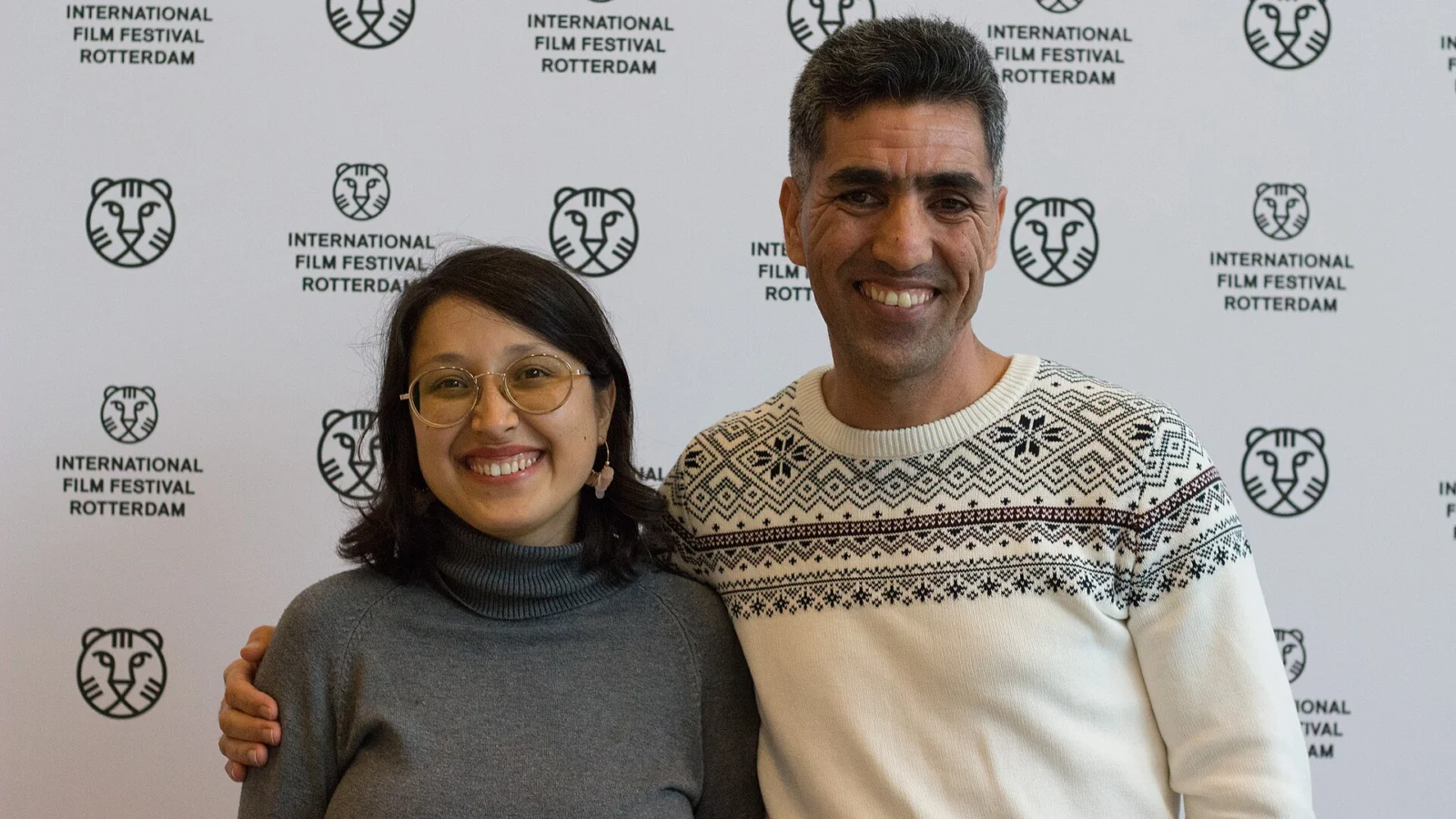
The Tokyo International Film Festival provided a powerful platform this year, hosting conversations that moved far beyond cinematic aesthetics. Amidst the vibrant global atmosphere of the festival’s TIFF Lounge, two acclaimed directors addressed the systemic challenges facing female filmmakers worldwide. The core discussion focused intensely on the persistent financial and political obstacles that prevent women from reaching the forefront of the industry. These conversations illuminated the stark reality that talent alone is often insufficient to break through entrenched barriers.
Serbian director Jelena Maksimović and Afghan director Shahrbanoo Sadat were the central figures in this crucial panel. They detailed the profound disadvantages women face, which they argue are rooted not in the film festivals themselves, but much earlier in the creative development stage. The discussion highlighted that access to the resources needed to create a film often demands a specific form of conformity. Both women stressed that the obstacles are fundamentally structural, rather than merely artistic.
Navigating political and financial blockades
The panel shed light on how governmental and institutional decisions can directly impact an artist’s ability to work. Maksimović provided a detailed account of the difficulties in Serbia, where the Film Center Serbia’s funding was abruptly halted. This cut occurred in direct retaliation for filmmakers’ continued support of student anti-corruption protests.
This situation was further complicated by the smaller overall funding allocated to Serbian films, making international co-productions extremely challenging to secure. She reflected that even when the film center was functioning properly, the financial landscape remained difficult, and male directors enjoyed privileges that women did not.
The cultural and systemic hurdles
In Afghanistan, Shahrbanoo Sadat spoke to a different, yet equally formidable, set of constraints. She described a pervasive “cultural mafia,” a group of older men who effectively block women from gaining entry into the cinema community. To even receive a small measure of privilege, Sadat suggested, requires submission and compromise.
She explained that her path involved connecting to an outside system, specifically European filmmaking, because gaining acceptance within the local network was impossible. While acknowledging that European funding systems also contain inequalities, she maintained that the discrimination within the local Afghan system is fundamental and deeply embedded.
The standards of quality
Addressing the high expectations placed on female directors, Sadat referenced her experience on the Venice competition jury. She pointed out the significant gender gap in funding and development support, which contributed to the low number of women’s films in the competition. Only one film, Woman Unknown, directed by May el-Toukhy, was among the 20 featured entries.
The most pointed critique came when Sadat highlighted the perceived double standard in judging artistic merit. She stated that “women directors are not allowed to make bad [films],” implying that men are not held to the same stringent standard, even if their work is critically weak. These powerful testimonies serve as a stark reminder that in the world of cinema, opportunity is often contingent on conforming to invisible, biased rules, meaning the fight for a seat at the table continues to echo through the industry.