The hum of innovation often defines the landscape of San Francisco, where cutting-edge technology meets ambitious business models. Amidst the city’s relentless pursuit of the next big idea, a peculiar opportunity has emerged that challenges traditional notions of pet care. This new venture is merging the familiar task of dog walking with the rapidly evolving world of robotics, offering a truly novel way for people to earn a living.
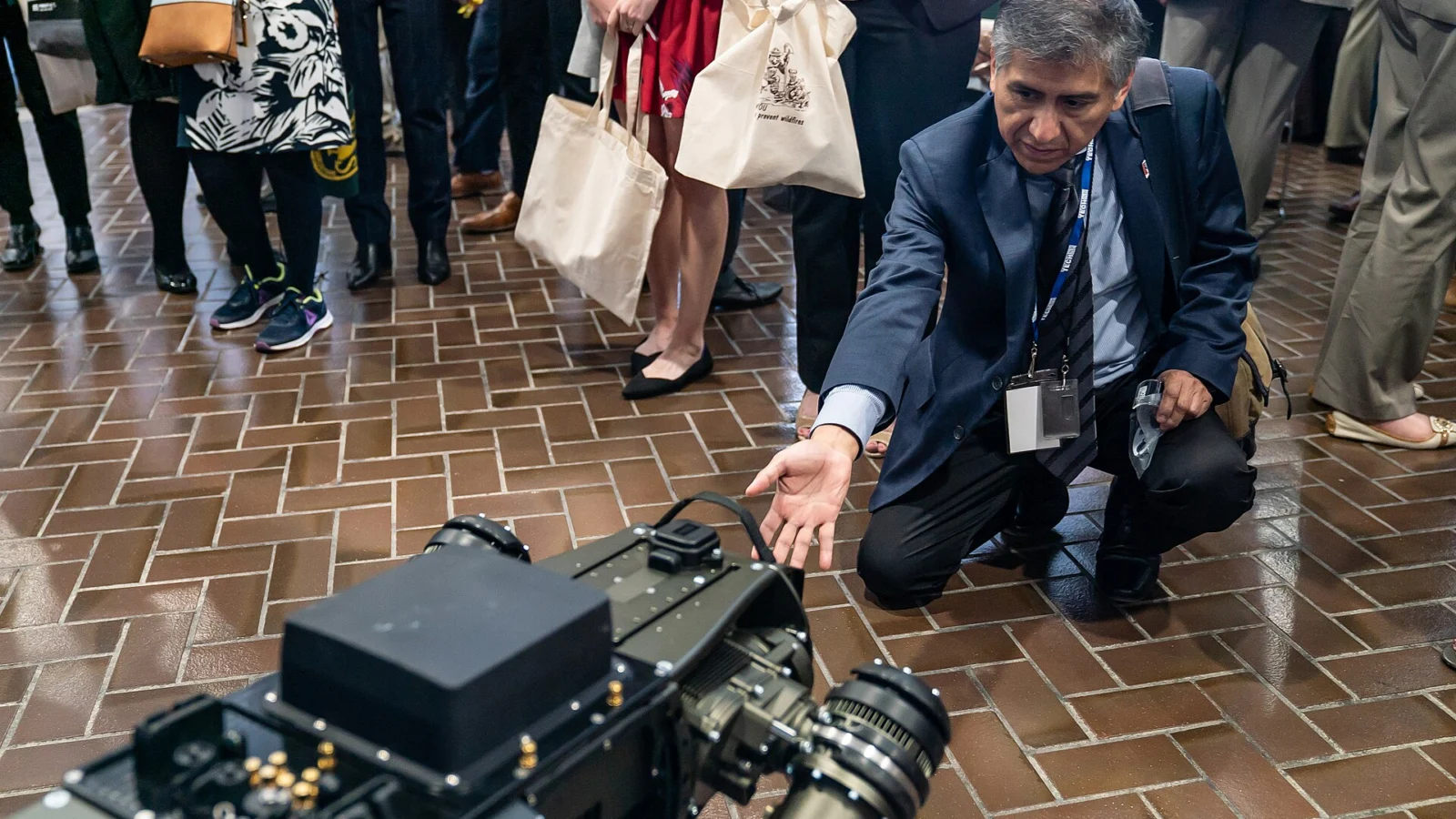
A tech startup located in San Francisco recently posted a job listing on October 28, 2026, looking for individuals to take on the role of robot dog walkers. This unique position offers a substantial compensation of $20 per hour for the required duties. The commitment involves spending between four and six hours interacting with and walking robotic pets, marking a distinct shift from caring for live animals.
A new frontier in pet companionship
This innovative enterprise is squarely positioned at the intersection of technology and domestic services, demonstrating how advanced engineering is beginning to permeate even the most routine aspects of daily life. The company, identified as a technology-focused enterprise, is actively utilising its creations to provide a new form of pet care within the urban environment.
The role specifically targets individuals who already possess an affinity for dog walking, suggesting that the startup is looking for a specific blend of skills—the practical familiarity of a walker combined with the willingness to engage with advanced machinery. This concept suggests a future where companionship for pets, or perhaps for humans interacting with simulated pets, is managed through highly sophisticated automated systems. The tech startup is effectively creating a specialised labour market around its robotic assets.
Walking the future of pets
The core of this new employment opportunity lies in the interaction with the robot dogs themselves, which form the central focus of the job duties. These robotic companions are not traditional animals; they are sophisticated machines designed to mimic the behaviour and needs of real pets, requiring human interaction to function optimally.
Workers hired for this position would be responsible for maintaining the well-being and physical exercise of these robotic pets over the specified duration. The duties require individuals to be willing to walk these sophisticated robotic pets, ensuring the technology is used in a way that simulates natural pet ownership and exercise routines. This suggests that the interaction is more about operating and caring for a piece of high-tech equipment than simply providing outdoor exercise to a biological animal.
What does this mean for pet ownership?
This development highlights a growing trend in how technology is being adapted to fill gaps in modern life, particularly in the realm of animal companionship. By offering a structured, paid role involving robot dogs, the San Francisco startup is subtly tapping into the market for automated emotional and physical interaction.
The availability of this role, which commits individuals to four to six hours of work at a considerable rate, underscores the company’s belief in the market potential of its robotic pet system. It raises fascinating questions about the future of caregiving, whether for pets or for humans seeking simulated companionship. As technology continues to shape our world, even the simple act of a dog walk is being rendered into a high-tech, highly compensated experience.
Source: UPI