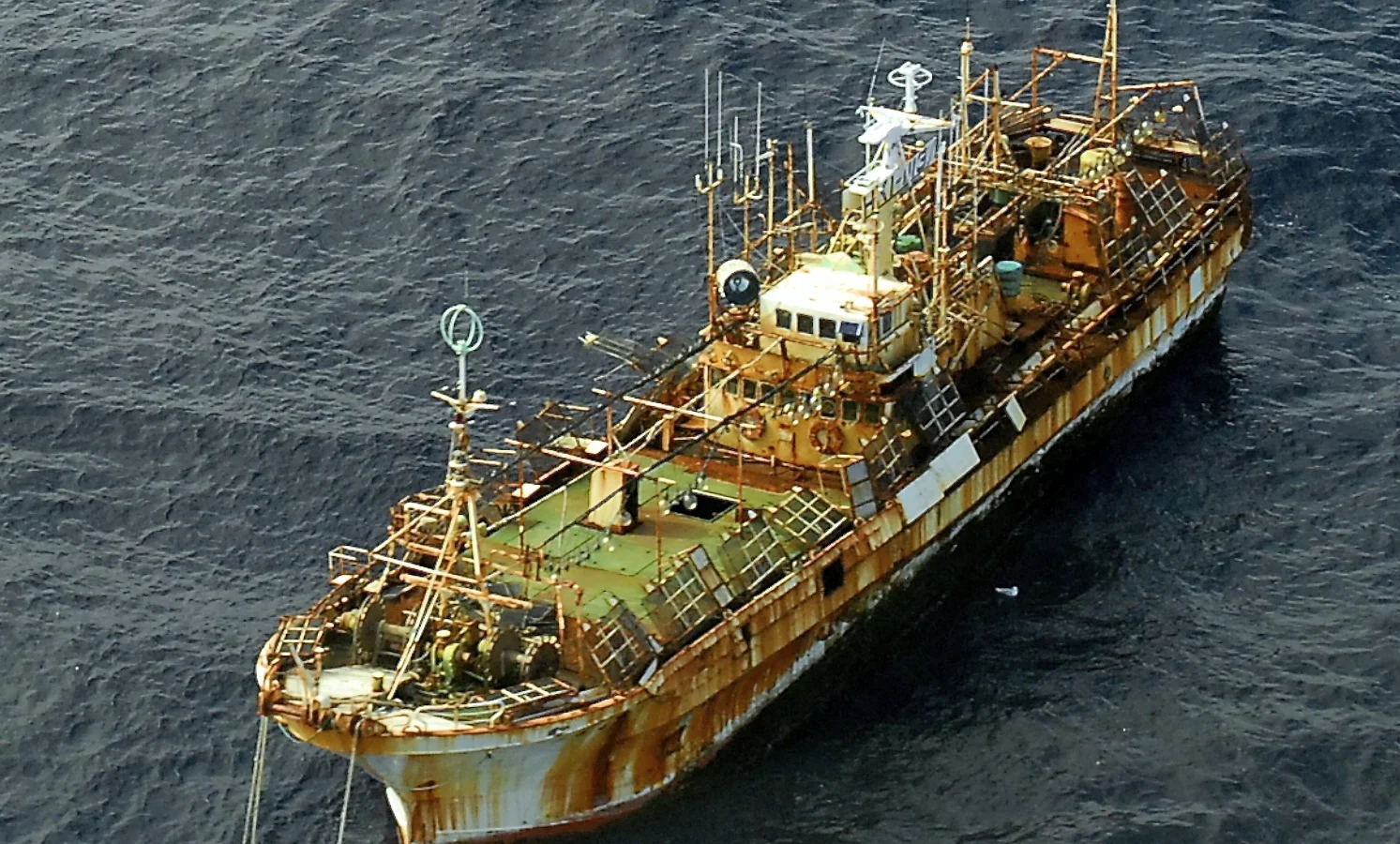
The Ryou-Un Maru, a modest Japanese fishing vessel, was suddenly cast adrift from its mooring in Aomori Prefecture. The catastrophic March 2011 Tōhoku earthquake and the subsequent tsunami ripped the boat free, sending it into a terrifying voyage across the vast Pacific Ocean. For over a year, this vessel, designed for shrimping and squidding, became an unintended wanderer, caught in the powerful currents of the sea. Its journey transformed it from a simple working boat into a ghost ship adrift in the enormous expanse of the Pacific.
This vessel was not a military or supertanker; it was a humble fishing boat, originally built around 1982 and owned by a company based in Hokkaido. It had been moored in Aomori Prefecture, awaiting sale because of its age, which meant it was essentially dormant. Japanese regulations mandated a rigorous disposal process before the ship could have its registration cancelled, a bureaucratic hurdle that delayed its eventual fate. The Japan Coast Guard granted the owner a special exception, allowing the vessel to remain at its mooring for a time, unaware of the immense power that was about to sweep it away.
How a Japanese fishing boat became a Pacific nomad
The disaster began with the devastating natural event that swept through Japan. The massive Tōhoku earthquake and the ensuing tsunami were enough to break the moorings holding the Ryou-Un Maru. The boat was carried eastward by the relentless force of the Kuroshio Current, setting it upon a monumental, unplanned journey.
Its trajectory took it far outside its home waters, crossing immense stretches of the ocean. The vessel drifted onward, an accidental participant in the ocean’s currents, until its presence was detected almost a year later. On March 20, 2012, the Ryou-Un Maru was finally spotted by a Royal Canadian Air Force CP-140 Aurora aircraft while it was navigating Canadian waters.
The perilous journey to Alaska
The sightings in Canadian waters initiated a tense phase of investigation and tracking. Shortly after, on April 4, 2012, the U.S. Coast Guard dropped a tracking buoy southwest of Sitka, Alaska, hoping to pinpoint the exact location of the drifting vessel. The U.S. Coast Guard Cutter Anacapa assessed the ship’s condition, recognizing the severity of its situation.
Salvage efforts were mounted, but the challenge proved insurmountable. On April 5, 2012, a Canadian fishing vessel named Bernice C attempted to rescue the stranded ship. However, the attempt failed due to a critical structural failure: a ruptured fuel tank aboard the Ryou-Un Maru.
The grim final decision
With the vessel compromised and drifting, the situation escalated into a matter of international hazard prevention. The U.S. Coast Guard determined that the only safe course of action was to sink the ship to prevent it from becoming a navigational hazard. This decision led to a dramatic confrontation in the remote waters of the Gulf of Alaska.
The sinking was executed by the USCGC Anacapa on April 5, 2012, approximately 180 miles off the Alaskan Panhandle. The process involved the firing of a Mk 38 25mm autocannon, which accomplished the sinking of the vessel in the deep, cold waters of the Gulf of Alaska. The Ryou-Un Maru ultimately sank in depths of around 1,800 metres.
A lesson in maritime endurance
The incredible odyssey of the Ryou-Un Maru serves as a stark reminder of the unpredictable power of the Pacific Ocean. From being a routine vessel awaiting disposal in Japan, it became a long-distance drifter, crossing national boundaries and facing a dramatic end enforced by international maritime safety protocols.
The fate of the Ryou-Un Maru highlights the intersection of human endeavour and geological cataclysm, where a natural disaster sets in motion a year-long adventure. It stands as a testament to the sheer endurance of the sea, capable of swallowing and carrying away even the most mundane of human creations. Ultimately, the ship found its necessary end, sinking into the depths after its improbable voyage across the Pacific.
Background: Wikipedia