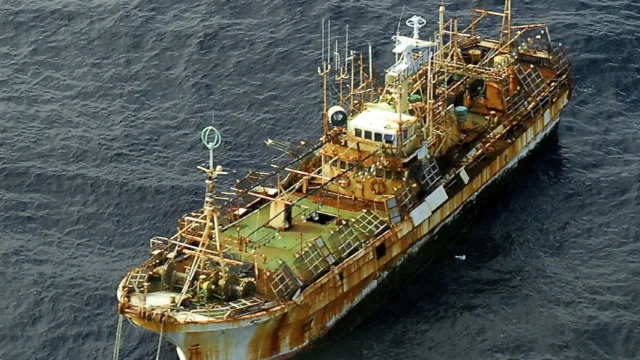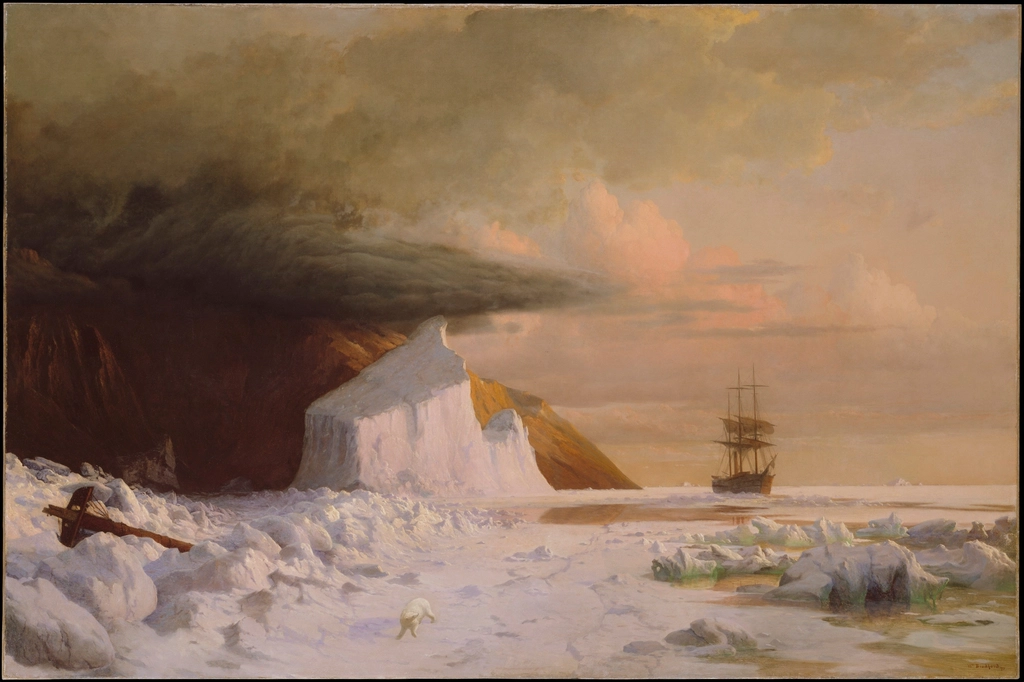
The skeletal silhouette of the SS Baychimo vanished into the endless, crushing vastness of the Beaufort Sea. For decades, whispers of its existence haunted the icy waters, a ghost ship trapped fast in the massive pack ice. Its fate seemed sealed by the desolate wilderness and the unforgiving nature of the Arctic winter. Yet, this 1,322 ton steel-hulled cargo steamer defied the narrative of a simple maritime casualty.
The Baychimo was far more than just a working vessel; she represented a strange confluence of global trade, industrial history, and Arctic endurance. Initially built in 1914 in Sweden, she began life under the name Ångermanelfven, an imposing 230 ft long steamer powered by a powerful triple-expansion steam engine. After the First World War, she was acquired by the United Kingdom, before ultimately falling into the hands of the Hudson’s Bay Company in 1921, where she was renamed the Baychimo and based in Ardrossan, Scotland.
An unlikely trade route
The ship’s purpose shifted dramatically upon entering the Arctic, transforming her from a typical cargo carrier into a crucial link in a remote trading network. The Baychimo began trading provisions in exchange for pelts, servicing the Inuit settlements along the rugged Victoria Island coast. This unique operation saw the ship becoming an indispensable part of the local economy and survival structure in the vast, frozen north.
The fragile balance of this life on the ice was shattered on October 1, 1931, when the steamer became irretrievably trapped within the relentless pack ice. The initial response saw the crew make a brief journey to Barrow, Alaska, seeking temporary shelter from the encroaching severity of the environment. However, the situation quickly became critical as the vast emptiness of the Arctic pressed in around the hull.
The impossible disappearance
The dire situation prompted the Hudson’s Bay Company to dispatch aircraft on October 15 to rescue twenty-two members of the crew. Fifteen crew members remained aboard, resolved to wait out the harsh winter, maintaining a stubborn defiance against the cold. The skipper eventually concluded that the ship must have succumbed to the depths following the impact of a colossal blizzard.
Yet, the official report of the ship’s demise proved wildly inaccurate. An Inuk seal hunter later provided a startling sighting, reporting that Baychimo was still visible, approximately 45 miles away from where she was believed to have sunk. This sighting led to the ship being abandoned after the crew managed to retrieve the most valuable furs, leaving the massive steamer to drift silently within the pack ice.
The long wait in the ice
The Baychimo did not follow the expected path of a sunken vessel; instead, she became a permanent, if elusive, fixture of the Arctic seascape. This meant she remained subject to numerous subsequent sightings across several decades, making her a persistent enigma to coastal inhabitants. She became stuck fast in the challenging pack ice of the Beaufort Sea, a monument to stubborn endurance.
The ship finally resurfaced—or rather, was found—when she was discovered frozen solid within an ice pack in 1969. For many years, the ship’s existence was known primarily through cultural references, such as the textbook Galaxies (Houghton Mifflin: Boston, 1971, 1974 p. 180.), where she was described as “Alaska’s Phantom Ship.”
The enduring mystery of the ice
The discovery in 1969 led to a period of quiet, yet enduring, speculation about the steamer’s true fate. Despite the initial finding, the vessel was presumed to have sunk eventually due to the lack of any further confirmed sighting after that date. The immense logistical challenge of the location meant that the Baychimo remained a cold, stubborn secret of the northern seas.
The mystery was revived in the early 21st century, when the Alaskan government initiated a project in 2006 specifically dedicated to locating the vessel. This modern push underscores the ship’s unique place in history, transforming her from a forgotten piece of maritime history into a subject of intense, ongoing investigation.
Today, the Baychimo stands as a powerful symbol of the Arctic’s contradictory nature—a place of crushing danger and inexplicable resilience. She reminds us that even in the most desolate, unforgiving corners of the world, human history and stubborn persistence can persist against impossible odds. The phantom ship remains, a silent testament to the power of the ice.
Background: Wikipedia