The roar of a crowd mixed with the frantic strumming of distorted guitars, a sound that felt both aggressive and exhilarating. It was a soundtrack designed for defiance, for speed, and for defying gravity itself. This musical wave, known as skate punk, was more than just a genre; it was a fiercely felt subculture that grew out of the grit and speed of the 1980s. It represented the perfect sonic accompaniment to limb-threatening aerial stunts, blending raw energy with a sudden, surprising melodic shift.
Originally rooted deeply in hardcore punk, this movement quickly garnered alternative names, including skatecore and skate rock. It began as a visceral reaction to mainstream music, closely tied to the burgeoning skate culture of the time. However, the genre did not remain solely abrasive; over the course of the 1990s, it underwent a significant transformation, evolving into something far more polished and melodic, aligning closely with the characteristics of pop punk. Musically, the core elements remained constant: blistering fast tempos, intricate lead guitar work, and driving, rapid drumming.
The hardcore roots in the West coast scene
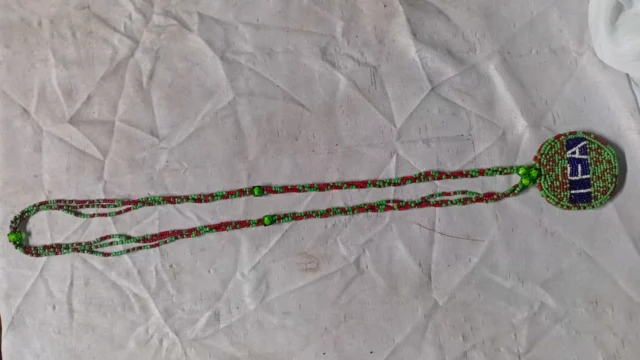
The genesis of skate punk lay within the intense hardcore punk movement of the 1980s. Early pioneers, such as Big Boys, JFA, and Suicidal Tendencies, were instrumental in forging this sound, often operating out of the hardcore punk scene in Oxnard, California. The movement inherited some stylistic DNA from 1970s acts like Buzzcocks and Black Flag, laying the foundation for the high-octane energy to come.
The initial iteration of the music was raw and uncompromising, capturing the speed and aggression inherent in early punk. Whilst early bands maintained a raw edge, the genre soon began to hint at a different direction. This trajectory shifted when Bad Religion introduced a more melodic style in 1988 with the release of their album Suffer. This moment signalled a crucial turning point, suggesting that the relentless pace could coexist with more structured, singable melodies.
The evolution from speed to melody
As the genre matured, the blend of high velocity and refined harmony became its defining feature. The music was praised for its blend of ‘high-energy’ delivery and rapid, driving rhythms. Sharon M. Hannon described the sound with precision, noting that it was characterised by ‘its fast guitars, driving bass lines, and surf music–style drums.’
This shift toward melody was powerfully reinforced by subsequent albums from bands like Bad Religion, whose 1994 release Stranger Than Fiction achieved gold certification by the RIAA. The genre’s adaptability was also evident in some groups, such as Suicidal Tendencies, who incorporated elements of thrash metal or crossover thrash into their sound, demonstrating the breadth of its musical influence.
The mainstream explosion of the nineties
The late 1990s saw skate punk achieve unprecedented commercial success, breaking into the mainstream consciousness. Bands like The Offspring became defining figures of this era, demonstrating the commercial viability of the genre. Their 1994 album Smash was a massive seller, achieving 6x platinum status from the RIAA in the United States, selling at least 6.3 million copies domestically, with an additional 5 million copies sold internationally.
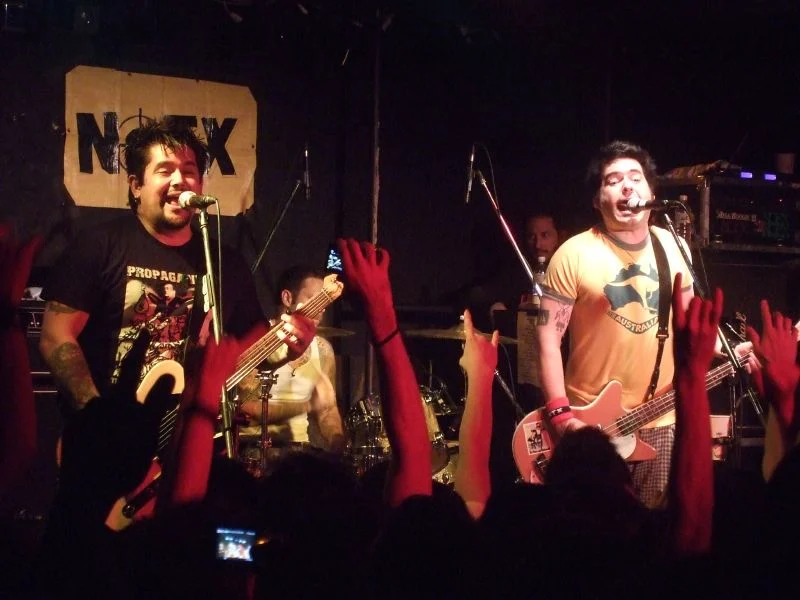
Other acts followed suit, securing major commercial milestones. Blink-182 released Dude Ranch in June 1997, and by November 1999, the album had reached platinum status. Meanwhile, NOFX’s Punk in Drublic, released in 1994, was certified gold by the RIAA in 2000, and Face to Face’s 1995 album Big Choice resonated strongly, selling over 100,000 copies locally. The sheer scale of success meant that the music permeated popular culture, notably through the hugely popular Tony Hawk’s skateboarding video game series.
The enduring cultural ripple
The philosophical stance of many artists within the movement remained one of anti-establishment defiance, even as the music became hugely popular. Fat Mike encapsulated this spirit, stating: “We just didn’t want to be a part of that machine, of that ‘punk wave’.” This attitude of independent spirit provided a powerful counter-narrative to the commercial ascent.
Beyond the charts, skate punk had a deep and lasting cultural ripple effect. The genre was instrumental in paving the way for the rise of third-wave ska, demonstrating its ability to influence other contemporary styles. The high-speed, energetic sound established by pioneers and mainstream acts alike remains a potent reminder of music built on speed and attitude. From the raw intensity of the early days to the polished sound of global blockbusters, the sound of the pavement still echoes.
Background: Wikipedia