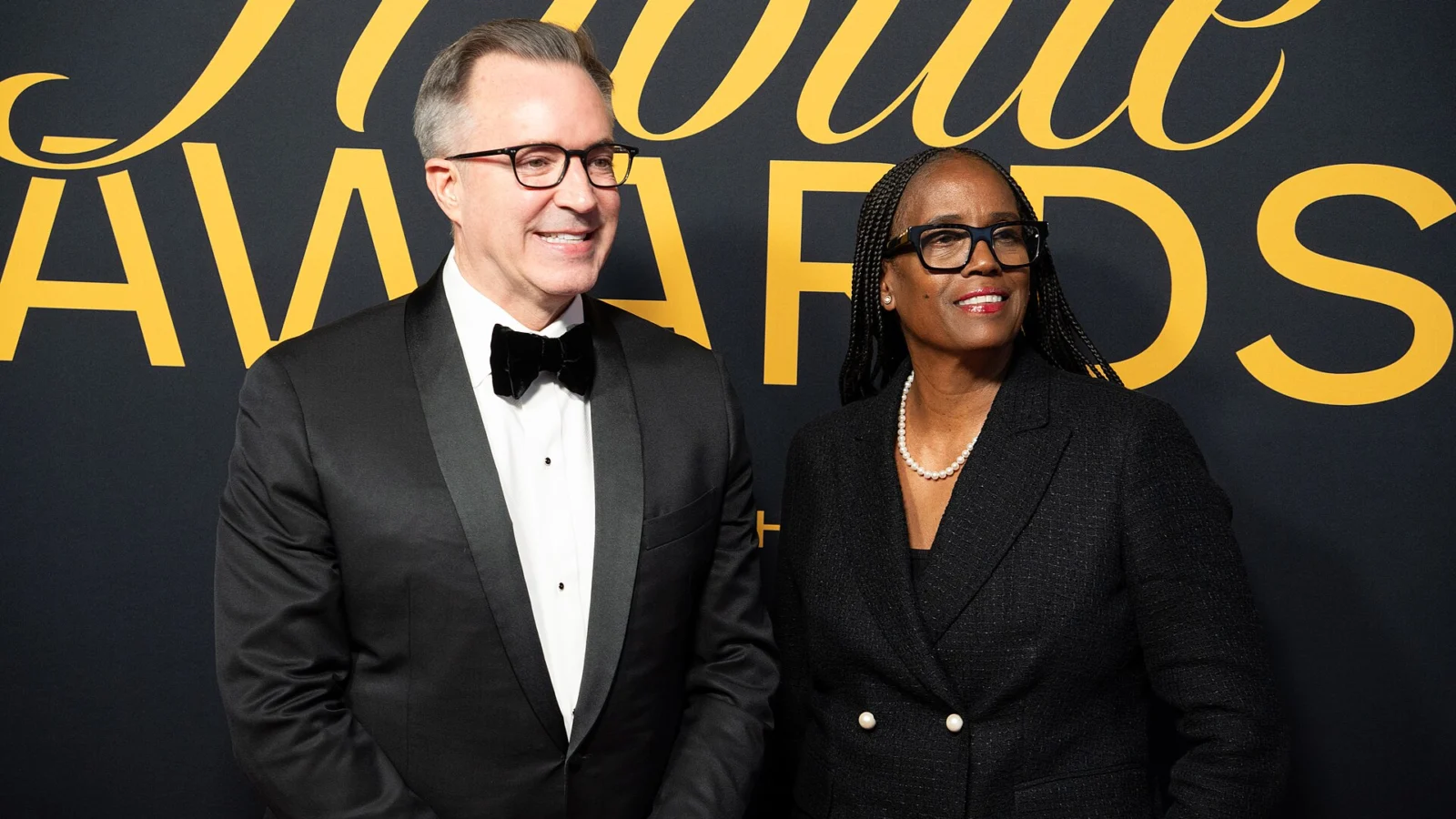
The Tokyo Film Festival provided a vibrant backdrop for industry discussions, particularly when Bill Kramer spoke about the future of global cinema recognition. During his time in Tokyo, Kramer was joined by AMPAS President Lynette Howell Taylor and Chief Membership, Impact and Industry Officer Meredith Shea for a series of talks. These sessions highlighted the Academy’s ongoing efforts to expand and streamline how international films are celebrated and qualified for the Oscars.
The core news shared by Kramer concerns a major planned expansion of the list of festivals that qualify films for the International Film Oscar category. He confirmed that the Academy is actively seeking to broaden the pool of qualifying festivals beyond the existing list of six major cinema hubs. This move is part of a larger initiative by the Academy to approach the international category in a much more comprehensive and global manner.
Expanding the global conversation
Currently, films that win the top award at certain established festivals—including Cannes, Sundance, Berlin, Toronto, Busan, and Venice—can automatically be considered for the international category. However, Kramer explained that this initial list was deliberately kept small because the Academy initially sought to ensure that every qualifying festival had robust juried awards. The primary goal behind expanding the qualification list is to ensure better global representation among the festivals the Academy works with.
This increased focus on global reach reflects the overall shift in the industry. Kramer noted that 25% of the Academy’s membership now resides outside the United States, which he believes is a natural consequence of worldwide changes in both film production and consumption. This growing international makeup is a key factor driving the Academy’s strategic planning for the future of its awards.
The shift to streaming and global reach
The industry’s rapid shift toward digital platforms has fundamentally changed how cinema is consumed, a change that Kramer linked directly to the Oscars’ future broadcast home. Given that the lines between different types of cinema—such as classic films, animation, and non-U.S. productions—have become less distinct, the Academy is embracing new technology. This culminated in the announcement that YouTube would host the Academy Awards starting in 2029.
The deal with Google-owned YouTube is presented as a significant advantage for the industry. According to Kramer, the platform offers the unique ability for everyone watching to see the exact same show, providing consistent control over the fan experience. Furthermore, the partnership allows the Oscars to reach an enormous global audience of 2.5 billion people simultaneously across more than 30 languages.
Looking forward without censorship
As major streaming services assume more live event broadcasting duties—with Netflix taking the SAG Awards and Prime Video broadcasting the Emmys—the alliance between big technology and the film world continues to evolve. The Academy has been clear about its stance on creative freedom, reassuring the industry that the new broadcast model will uphold these standards. Kramer stated, “There’s no censorship allowed at the Academy, at the Oscars, or on our broadcast.”
This commitment to unrestricted artistic expression, coupled with the massive global reach offered by the streaming partner, solidifies the Academy’s commitment to making the Oscars a truly international affair. By expanding the qualifying festivals and embracing a universal broadcast platform, the Academy is cementing its role as a truly global arbiter of cinematic excellence. With the international category continually expanding its reach, the Academy remains dedicated to inviting more films into the conversation.