The great quays of London pulsed with the relentless, smoky rhythm of a city powered by coal. In the early 19th century, this colossal urban centre—the world’s first large mineral-fuelled metropolis—was utterly dependent on a carefully managed supply chain. Massive colliers, ships loaded heavy with black fuel, navigated the Thames, feeding the hungry furnaces that drove commerce and industry. Yet, the seemingly free flow of this vital resource was governed by a silent, powerful agreement signed in the remote pits of North East England.
This was the Limitation of the Vend, an extraordinary and enduring price-fixing cartel that held nearly the entirety of the lucrative London coal market in its grip. It was not a clandestine operation conducted in smoky back rooms; rather, it was an openly administered association, a monument to organized economic control that maintained its dominance for decades. The members, who were the owners of coal mines across County Durham and Northumberland, believed that their practices were morally justifiable, even as they existed in a legal grey area.
The advantage of the sea lanes
The genesis of this powerful association lay in the unique geographical advantages enjoyed by the coal mine owners situated in North East England. Their proximity to vital sea-transport links afforded them a competitive edge over inland competitors, allowing them to move vast quantities of fuel efficiently to the coast.
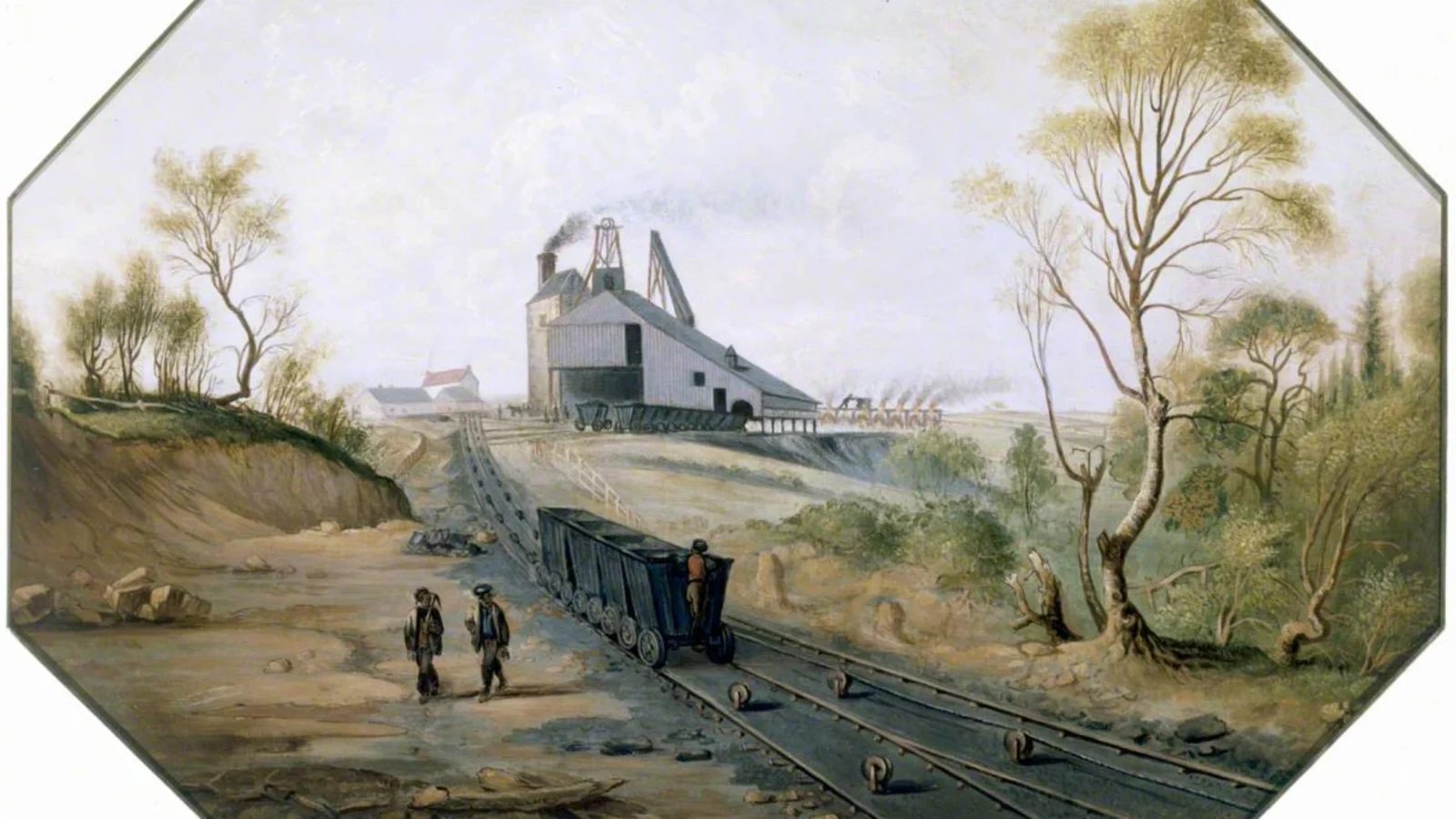
The association, sometimes referred to as the Newcastle Vend or the Joint Durham and Northumberland Coal Owners Association, was built upon these logistical strengths. To solidify and protect their market share, the participants invested heavily in advanced technologies, including deep mining techniques and the burgeoning rail transportation systems of the era. These investments were crucial, ensuring that the product they controlled was not only plentiful but also efficiently moved from the pit face to the waiting ships.
The machinery of control
The operation of the Limitation was characterized by a sophisticated, almost bureaucratic level of organisation, far surpassing that of a typical criminal enterprise. A dedicated and well-organized secretariat managed the complex internal workings of the cartel.
This administrative body performed critical functions, including maintaining meticulous accounts and possessing the capacity to detect any attempt at cheating among the members. Furthermore, the collective acted as a self-regulating market mechanism; a dedicated committee was responsible for monitoring the critical London coal market. This committee held the ultimate power to set the total sale—the ‘issue’—and to negotiate yearly agreements regarding both market share and the minimum accepted prices.
The unbreakable contract
The structural integrity of the cartel was astonishingly robust, enabling it to persist for an exceptional duration, leading some to describe it as perhaps the most durable cartel that has ever existed. The members continually negotiated these agreements, establishing a complex framework of control over the market, which by 1800 saw 600 colliers engaged in the London trade alone, shipping an annual total of 1.35 million tons of fuel.
The enforcement mechanisms were strict, yet internal. If any member attempted to circumvent the agreed-upon terms, the cartel allowed the collective to issue a ‘fine’ to the offending party, ensuring compliance was enforced by the peers themselves. While the bulk of the operation was tightly controlled, the cartel made a notable exception, allowing coals sold to local consumers or designated for export to operate entirely outside the rules of the agreement.
The scrutiny and the legacy
Despite its internal efficiency, the Limitation of the Vend attracted significant external scrutiny. The sheer scale of its market capture—which effectively smothered competition in London—led to it being investigated by Parliament on at least five occasions throughout its history.
The persistence of this controlled market, its economic impact, and the fascinating methods by which it functioned made it a subject of intense academic interest. As one noted observer observed, “It has been described as one of the most fascinating problems in economic history.” The sustained success of this arrangement for over a century demonstrates the incredible power that highly organised industrial groups can wield over national commerce.
The story of the Limitation of the Vend remains a powerful study in market manipulation and the architecture of economic power. It serves as a stark reminder of how a few determined owners could command the very breath of the largest urban centres, controlling the flow of black gold that fuelled the modern world. And so, the great smoke-belching engine of London continued to run, dictated by the terms of an old agreement.
Background: Wikipedia