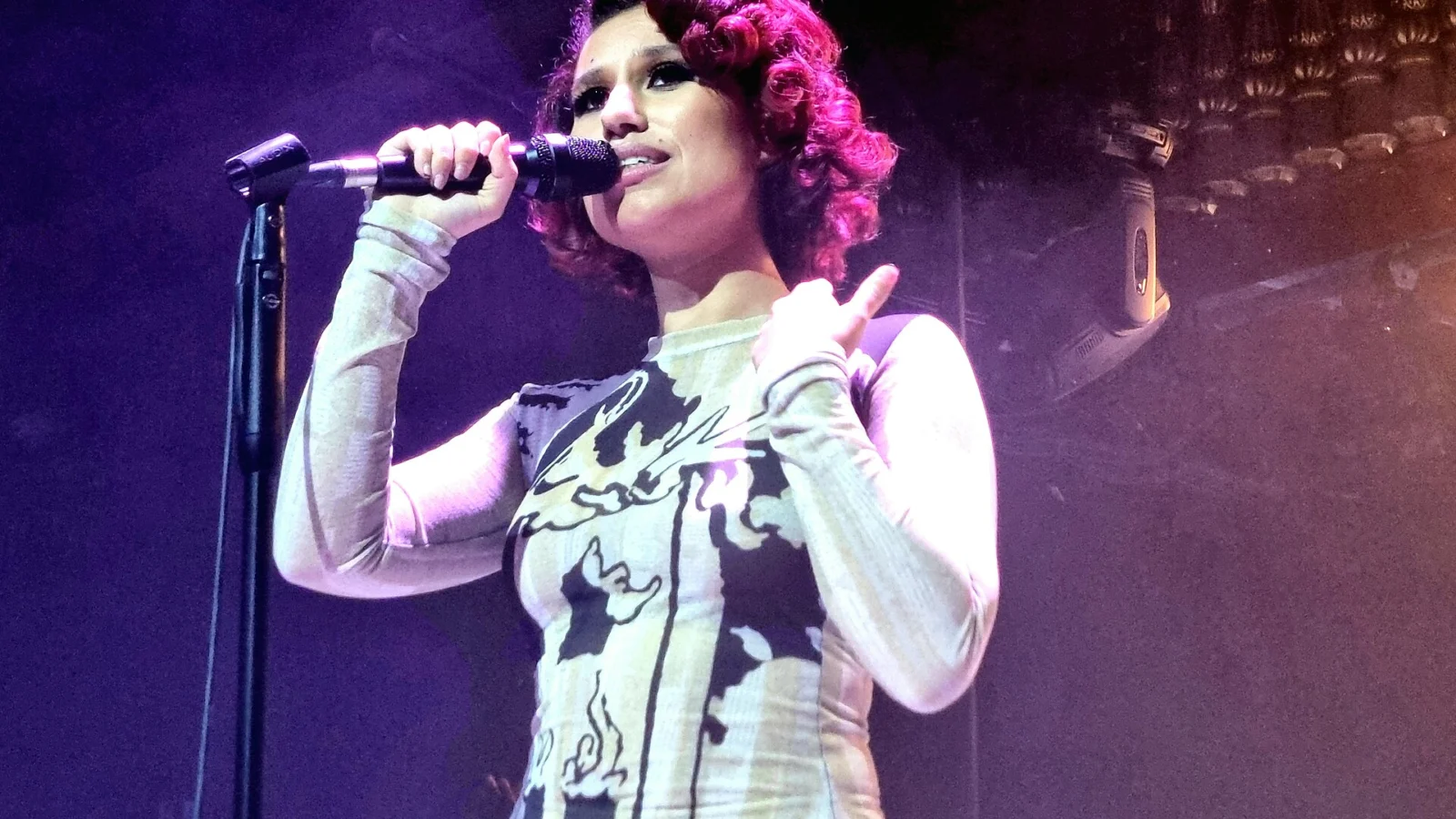
The grand theatre of Newcastle’s Utilita Arena was the site of a momentous celebration, as a pop star clutched her trophy after a night of high drama. The culmination of months of anticipation saw one artist take home the prestigious £25,000 Mercury Prize. This particular evening marked a significant shift in the history of the acclaimed music award.
The pop artist Raye was the recipient of the 2026 Mercury Prize for her latest album, This Music May Contain Hope. This victory was notable because it marked the first time a pop album had secured the coveted award since 1994. The album, which was described as having golden age Hollywood glamour, beat out established acts and other nominees to claim the accolade.
Understanding the prestige of the Mercury Prize
Established in 1992, the Mercury Prize was deliberately designed to be an alternative to the commercially driven Brit Awards. Its core mission is to celebrate albums that demonstrate a genuine commitment to pushing the boundaries of music. The award is specifically designed to honour the best British or Irish album released within the previous twelve months.
The prize aims to recognise artistic merit rather than immediate commercial trends, making it a highly sought-after honour among industry veterans and critics alike. Historically, the prize has been associated with groundbreaking, genre-defying records, appealing to a sophisticated musical readership.
The ambitious scope of the winning record
The winning album, This Music May Contain Hope, is a sprawling, cinematic work that details a relationship that dissolves against the backdrop of rainy Parisian streets. Spanning 73 minutes across 17 tracks, the record follows the central character as she rebuilds herself and finds resilience after heartbreak.
The scope of the album’s production is immense, featuring contributions from multiple sources, including four separate orchestras and over 100 musicians. Notably, the recording also incorporates performances from both of Raye’s grandparents, grounding the pop glamour in deep musical tradition.
The journey behind the pop star’s success
Despite its immediate chart success upon release in March, the making of This Music May Contain Hope was anything but straightforward. The project faced a significant setback when the singer’s car was stolen two years prior, taking with it all her songwriting notebooks and demos.
While the lost materials were eventually recovered, the theft caused a substantial delay of nearly a year in the album’s completion. Reflecting on the ordeal, Raye offered a philosophical perspective on the unexpected detours of life, noting that “it all turned out great.”
The album itself has received rave reviews from critical publications, with Rolling Stone praising its “old-school show-tune razzle-dazzle.” The NME highlighted the strength of her writing, stating that her pen “has never been so strong.”
The Mercury Prize has a rich history, having given the award to 20 debut albums from artists such as Suede and Franz Ferdinand. While many assume it is exclusively for first records, the shortlist for this year included multiple accomplished artists, such as Olivia Dean and Jade.
The award remains a significant cultural marker, having seen the previous year’s winner donate their winnings to support grassroots music venues across the UK. After all, the pop star beat artists like Paul McCartney to lift the £25,000 prize, solidifying her place as a powerful new voice.