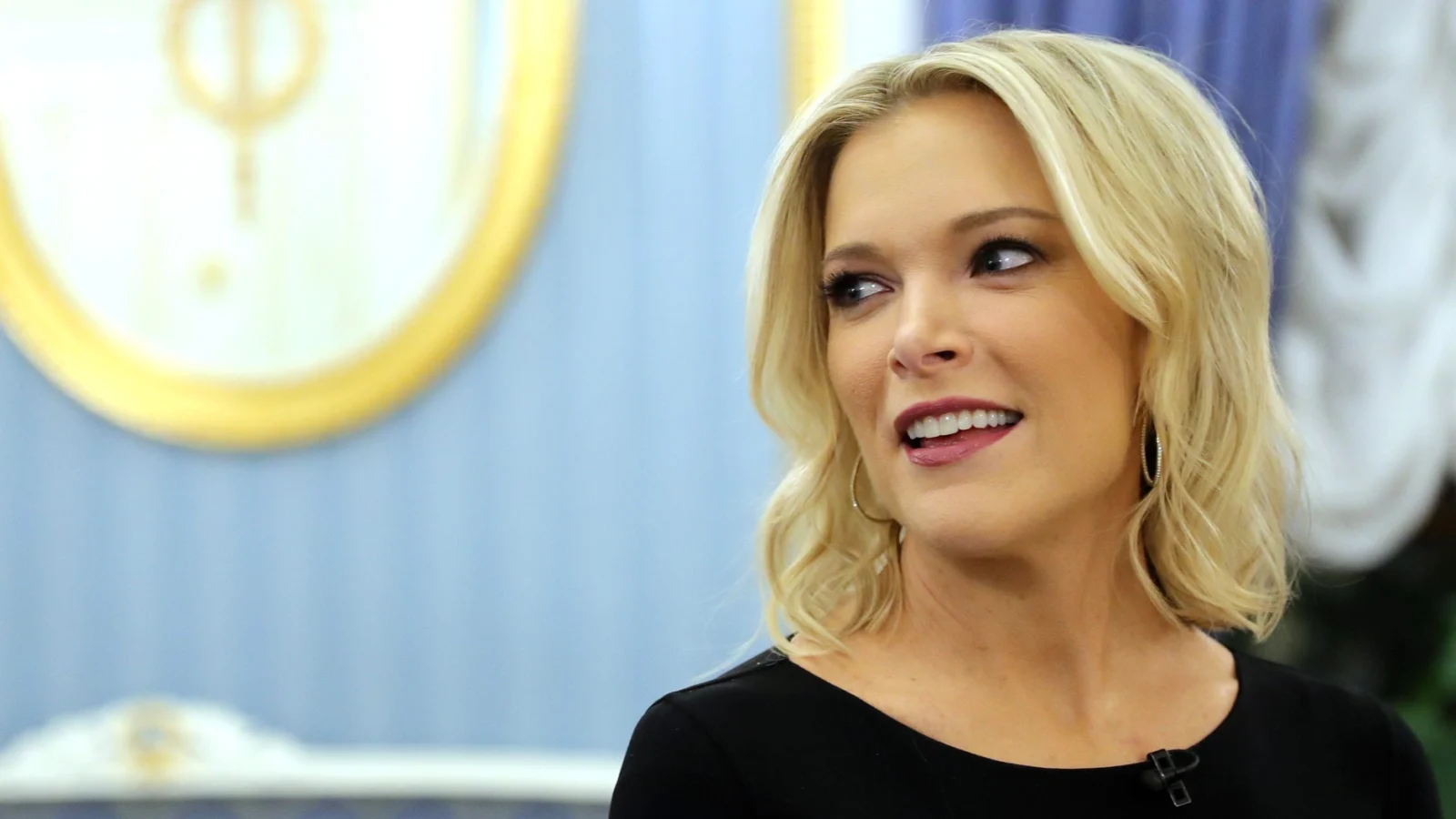
The internet was abuzz with controversy following revelations about a health diagnosis, particularly after talk show host Megyn Kelly publicly criticised actress Christina Applegate. Kelly had made comments regarding Applegate’s battle with Multiple Sclerosis (MS) after the celebrity had revealed she had been misdiagnosed. The backlash was immediate and fierce, with several prominent figures on The View taking to the airwaves to challenge Kelly’s remarks.
The criticism mounted when hosts Whoopi Goldberg, Sara Haines, and others savaged Kelly for her comments about Applegate’s journey. The incident unfolded when Kelly, on her own talk show, questioned Applegate’s motives for discussing her health challenges. The assembled hosts quickly refuted her stance, accusing her of being a ‘bully’ and suggesting she had used misfortune for political gain.
The fallout on The View
The accusations levelled at Kelly were severe, going beyond mere disagreement and touching on personal character. During the broadcast, Whoopi Goldberg challenged Kelly, asking pointed questions about whether Applegate fabricated her condition for attention. Sara Haines also pressed the issue, rhetorically asking who would want to be the public face of such a chronic illness.
The hosts continued to dismantle Kelly’s position, arguing that her comments were deeply insensitive. One host highlighted that Applegate had achieved significant advocacy by speaking out about the disease. She suggested that Kelly’s actions demonstrated a desperate attempt to gain relevance, sacrificing integrity for political standing.
Applegate’s Advocacy Journey
For context, Christina Applegate’s public awareness campaign concerning MS began in 2021. Following her diagnosis, she stepped away from her acting career after the conclusion of her hit series, Dead to Me. She then became a powerful advocate for those living with the condition, collaborating on a podcast to share her lived experience.
This advocacy was a visible effort to raise awareness and provide community support to others battling the central nervous system disorder. After taking a brief hiatus from the podcast, Applegate returned to the program to share unexpected news with her listeners. She revealed that new technology had led to the discovery that her initial MS diagnosis was incorrect, a major pivot in her personal narrative.
Navigating the Aftermath
The news of the misdiagnosis left Applegate in a complicated emotional space, describing her return to the starting point. She explained that the situation was not a simple recovery, stating that she was “back at square one.” Applegate expressed a feeling of having let down the community she had worked so hard to champion.
The ensuing public debate quickly shifted focus from the medical details to the ethics of public commentary. The hosts on The View used the platform to critique Kelly’s perceived lack of empathy and understanding. The disagreement underscored a deeper cultural debate about the responsibility of public figures when discussing serious health issues.
The backlash was a powerful reminder that even when trying to critique, one must remember that “This is what’s happening to me.”