The gleaming facets of a single diamond, perfectly cut and flawlessly clear, could command a price that would dwarf the worth of the rarest metals known to man. Imagine a scenario where the world’s most precious industrial element, rhodium, pales in comparison to a geological miracle. This extraordinary disparity in valuation reveals a complex, often baffling relationship between natural abundance, market demand, and the sheer magic of chemistry.
The financial landscape of the chemical world operates on a scale far beyond the familiar; it is a fluctuating market where the value of elements ranges from almost worthless bulk commodities to astronomical figures. This data provides a window into the extreme ends of the economic spectrum, contrasting elements readily available in the Earth’s crust with those that are intensely rare or require unimaginable levels of scientific intervention to create.
The pursuit of eternal gold
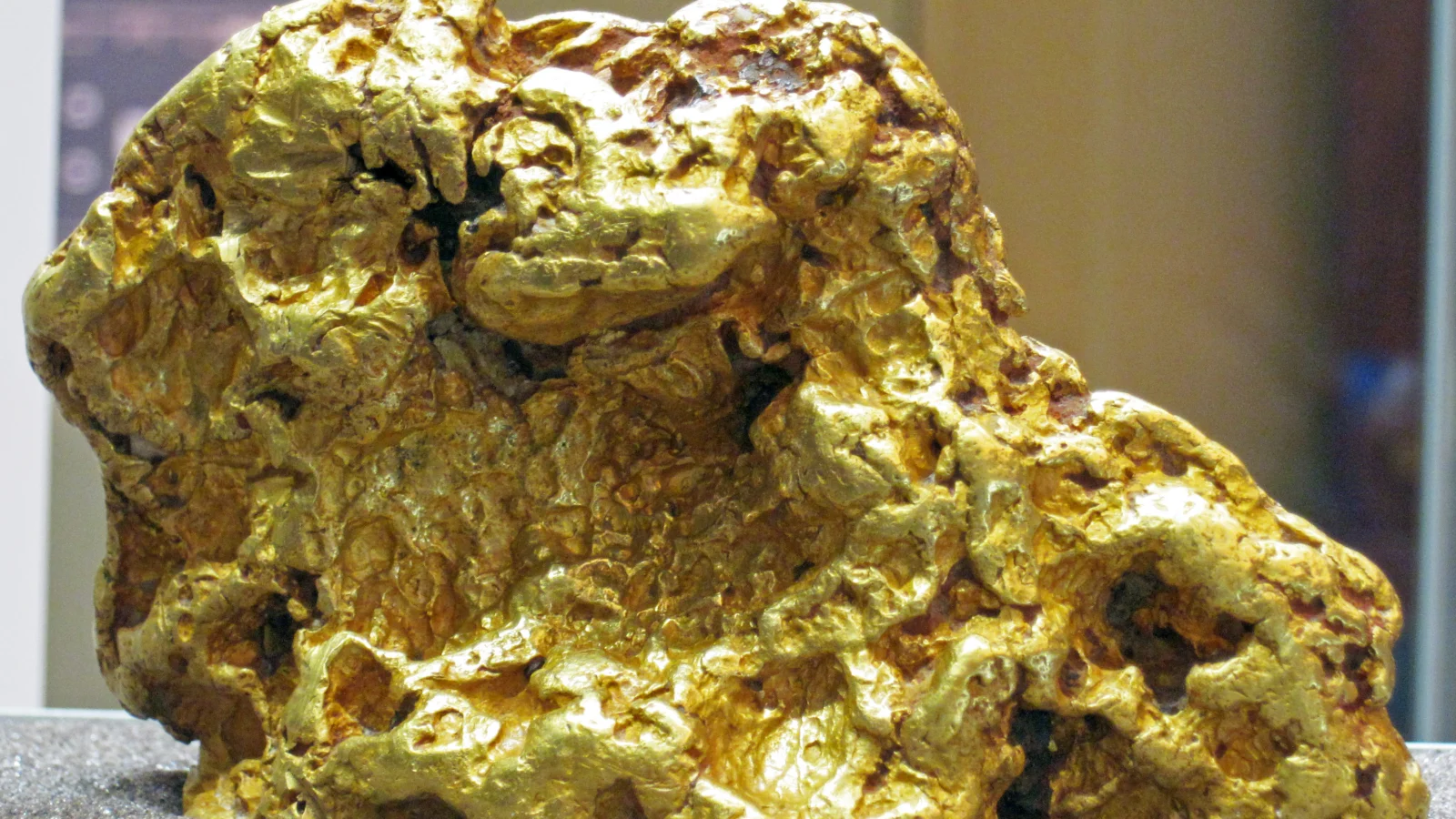
For millennia, humanity gazed at base metals and dreamed of transforming them into something perfect and noble. This ancient fascination was embodied in the practice of chrysopoeia, the alchemical quest to convert common materials into pure gold. Throughout history, people invested time and treasure into the belief that transmutation was achievable.
The grand, philosophical pursuit of turning lead into gold was not merely a relic of the past; it was a driving force behind early metallurgical science. The dream of turning the ordinary into the extraordinary persisted until the advent of modern scientific understanding. This persistent human yearning for ultimate wealth and perfection laid the groundwork for later, more precise scientific investigations into elemental creation.
The modern limits of creation
While ancient practitioners sought to conjure gold through arcane means, the scientific community eventually found a different path. A significant step toward this goal was taken when Glenn Seaborg successfully demonstrated the production of minute quantities of gold through sophisticated chemical processes involving other elements.
However, this initial success did not translate into industrial prosperity. The reality of nuclear synthesis for precious metals proved to be economically unfeasible. While scientists could create these elements in minuscule amounts, the sheer scale and energy requirements meant that the resulting products were commercially impractical. The modern market, therefore, relies almost entirely on naturally occurring deposits.
Where the real value lies
The hierarchy of elemental value is astonishingly steep. Rhodium stands as the most expensive non-synthetic element when measured by mass, a status it shares with caesium, iridium, and palladium. Even more unusual is the finding that Iridium, when valued by volume, holds the title of the most expensive non-synthetic element.
The contrast between the high-end precious metals and the cheapest commodities is stark. On the other end of the scale, elements like chlorine, sulfur, and carbon (when used as coal) represent the most economical by mass. Furthermore, for volume-based pricing, hydrogen, nitrogen, oxygen, and chlorine are the cheapest elements available, which are typically measured at standard atmospheric pressure.
The unseen cost of matter
The valuation process itself introduces layers of complexity, particularly when dealing with compounds versus pure elements. The data set acknowledges that if precise pricing for an element is unavailable, the cost of the associated compound is used, implicitly assigning zero value to all other constituents within that mixture.
Beyond simple market pricing, there is a fascinating dimension of radiological risk. Elements with radioactive properties have specific isotopes and isomers listed, and a distinct pink background in the data signals that an element is significantly radioactive. Although Bismuth is stable enough for cosmetic use, its radioactivity was deemed negligible, allowing it to be treated differently from its more volatile cousins.
Elements of wonder and worth
This intricate web of pricing, from the cheapest coal to the rarest rhodium, highlights the profound influence of scarcity and demand on human enterprise. It demonstrates that the value of a material is not solely determined by its inherent composition but by the difficulty and expense of acquiring it in bulk.
In the end, the abstract financial value of these fundamental building blocks of existence reminds us of a profound truth about the world’s materials. Even as modern science proves the impossibility of easy transmutation, the ancient allure remains: “Carbon in the form of diamond can be more expensive than rhodium.”
Background: Wikipedia