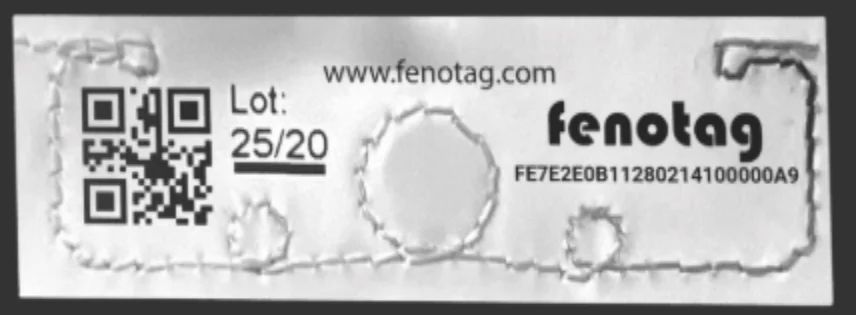
The faint, sharp hiss of an inkjet printer filled the factory floor, a mechanical sound overlaying the rhythmic clatter of the production line. A new, unique identifier was being applied to a product, etched onto its surface with precision, destined to follow a complex journey across continents. This process, where every single item is assigned a unique digital fingerprint, is the quiet engine driving modern global commerce. It is a system of absolute accountability, ensuring that no product, from a toy to a pharmaceutical, can disappear without leaving a digital trail.
This ability to pinpoint the exact location, past and present, of an individual item is the core function of track and trace. It represents a profound shift from merely knowing that a shipment arrived, to knowing precisely when and where it was handled, stored, or transported. This technology is not just a logistical convenience; it is a fundamental mechanism of modern supply chain agility, providing unparalleled visibility into a product’s lifecycle. The complexity of this global network, governed by standards like those ratified by EPCglobal under GS1, transforms a simple package into a traceable entity.
how the digital trail began
The necessity for such granular tracking became acutely clear due to increasing incidents of widespread product recalls, particularly within sensitive sectors like food, toys, and pharmaceuticals. When a safety issue arises, the ability to swiftly identify and isolate affected items becomes paramount. Before these systems, recalls were often a slow, imprecise hunt, leading to massive logistical chaos.
The foundational principles of tracking systems are encapsulated in the definition: “track and trace or tracking and tracing, a type of tracking system that determines the current and past locations and other information of a unique item or property,” noted an industry observer. This need for certainty spurred the development of mass serialization—the practice of affixing unique identifiers, such as an Electronic Product Code (EPC), to every single unit.
beyond the simple barcode
The technology enabling this comprehensive tracking is far more diverse than a simple printed code. While traditional barcoding remains a cost-effective method used across both item and case levels, newer technologies offer vastly superior capabilities. DataMatrix barcodes and Radio Frequency Identification (RFID) stand out as critical examples of tagging methods.
RFID, in particular, offers a remarkable leap forward because it allows for non-line-of-sight reading. Unlike a traditional barcode, which requires a direct line of sight to be scanned, RFID tags can transmit and receive signals through packaging or even through other materials. This capability accelerates handling and reduces the need for manual scanning at every checkpoint in the distribution network.
the hidden layers of tracking
Modern tracking extends far beyond static identifiers, encompassing dynamic real-time data capture. In vehicular tracking, for instance, a GPS tracking unit communicates via a telematic control unit to provide location data. This telemetry information is then fed into a real-time database, which is essential for effective fleet management.
Furthermore, advanced tracking systems have evolved to integrate multimedia data, incorporating video telematics via a dashcam. This combination allows logistics providers to monitor not just where a vehicle is, but also the conditions and activities occurring within the transport itself. This layered approach transforms simple location data into rich, actionable intelligence.
the enduring significance of visibility
The impact of serialization is felt across the entire commercial spectrum, influencing everything from consumer safety to global security. The requirement for serialization is legally mandated within the pharmaceutical industry, underscoring its role as a critical public health tool.
Beyond safety, the system offers powerful defensive capabilities. It actively helps in the recognition and isolation of counterfeit products, severely limiting the ability of illegal goods to enter legitimate supply chains. Consumers themselves have gained a new level of power, as they can often trace a product’s origins simply by scanning a 2D barcode or navigating a dedicated website.
From the complex operations managed by major shippers like FedEx and United Parcel Service, to the principles applied in public transport and intelligent transportation systems, the concept of tracking permeates modern life. It ensures that the journey of a single item, from raw material to doorstep, is meticulously documented. In a world defined by speed and complexity, the ability to track and trace an item is the ultimate assurance of accountability.
Background: Wikipedia