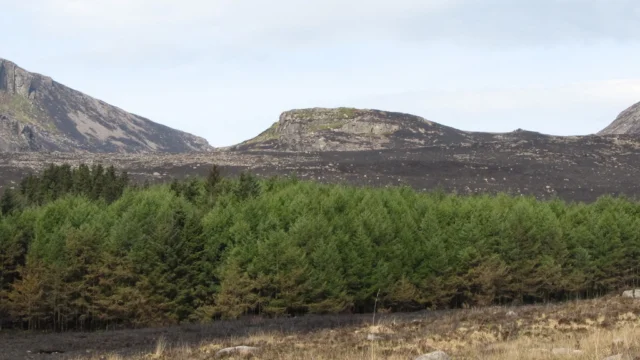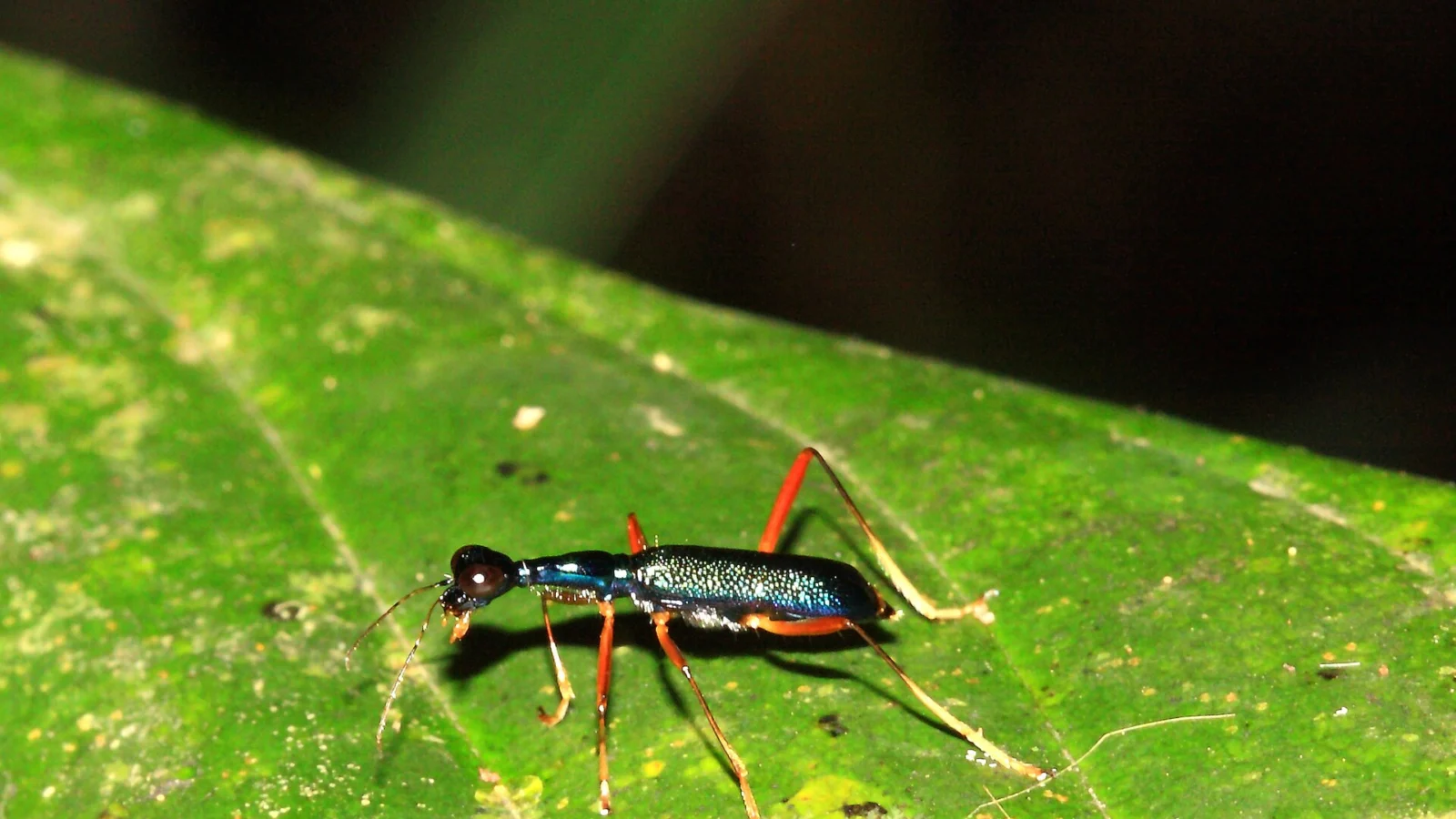
The quiet hills of Pembrokeshire, Wales, hold secrets that defy modern understanding of nature’s fragility. For decades, a tiny insect was whispered about in scientific circles, a ghost of the wild that many believed had vanished forever. This rare creature, known as the Short-Necked Oil Beetle, had slipped from the public eye after a lengthy absence. Its very existence was a testament to the unpredictable resilience of nature in the most secluded corners of the British Isles.
This vulnerable species, which is nationally rare within Great Britain, was officially feared extinct following its last sighting in the UK before 1948. However, the hope of its return was ignited after a dedicated three-year search yielded astonishing results. The beetle was successfully rediscovered in Devon in 2006, and its shy population was later confirmed on the Isle of Coll, Scotland, in 2009. This remarkable finding is part of Wales’s ongoing “flagship species recovery programme,” a project supported by Natural Resources Wales (NRW).
The delicate world of the oil beetle
The Short-Necked Oil Beetle is far from a common sight, and its survival hinges upon highly specific ecological conditions. This species is listed as vulnerable on the IUCN Red List, underscoring the critical threat it faces in the modern environment. Its preferred habitat is characterised by thick vegetation and dense flower coverage, suggesting a reliance on rich, undisturbed ecosystems.
Its life cycle is intrinsically intertwined with other members of the local fauna, displaying a remarkable dependence on solitary bees. The larvae, in particular, rely on the pollen gathered by these passing bees to sustain their growth and development. This intricate relationship highlights how even the smallest creatures are vital components in the complex web of British ecology.
A life of shadows and sun
The adults of this fascinating insect can grow up to 24mm in length, a modest size that belies the complexity of their biology. These beetles are typically most active during the warmest, sunniest stretches of the year, generally appearing from March through to June. When threatened, the Short-Necked Oil Beetle possesses a surprising defensive mechanism, secreting an oily yellow-orange substance to deter potential predators.
Beyond its physical attributes, the beetle’s lifespan is surprisingly brief, lasting approximately one year for the adult. Despite this short tenure, the species has proved capable of surviving decades of obscurity, offering scientists a unique opportunity to study its adaptations. Anne Hobbs of the Bumblebee Conservation Trust praised the finding, stating, “very exciting.”
Hope for the future
The successful rediscovery of the Short-Necked Oil Beetle is more than just a biological footnote; it is a vital indicator of the health of the UK’s natural reserves. The confirmed sightings in both Wales and Scotland give researchers crucial data points for understanding the range and stability of this species. The conservation efforts surrounding the beetle are part of a larger commitment to protecting vulnerable wildlife across the nation.
The continuation of this species provides a powerful argument for maintaining robust habitats and supporting the delicate balance of nature. The tiny, oily beetle proves that even those thought lost to history can emerge, reminding us that the wild heart of the British Isles still beats, hidden just beneath the surface.
Source: BBC News