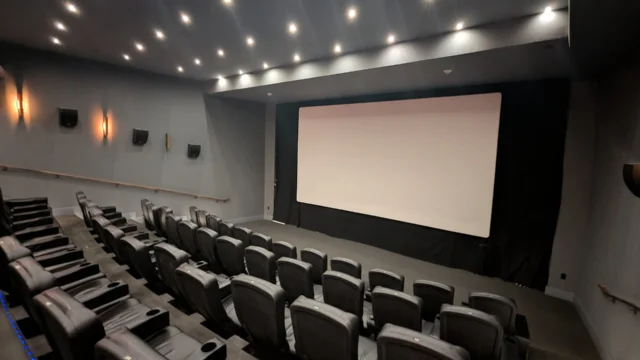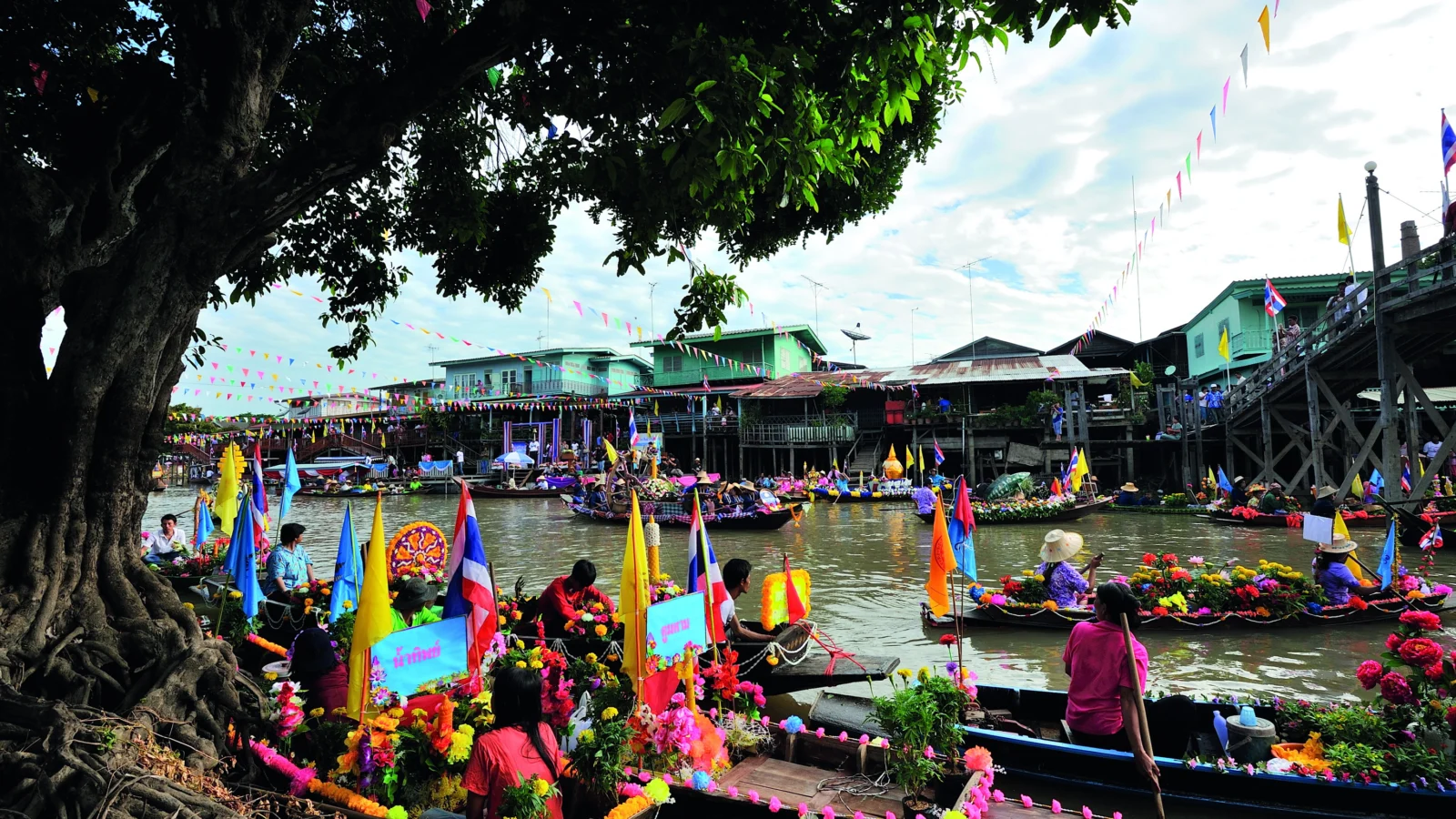
The bright lights of Kathmandu are preparing to shine on a global stage as the city gears up for its inaugural film festival. This ambitious cultural event is set to screen 40 films sourced from 14 different nations, promising a rich tapestry of cinematic storytelling. The atmosphere in the city, already known for its vibrant mix of cultures, is set to buzz with international filmmakers and artistic talent.
The first Kathmandu Film Festival (KFF) is scheduled to take place over three days, running from October 30th to November 1st in Nepal. The festival has been launched by the Kathmandu Metropolitan City, with the aim of showcasing both Nepali and international independent cinema. The event is designed specifically to strengthen cultural connections while celebrating the city’s status as a UNESCO Creative City of Film.
A mosaic of global and local stories
The festival’s programming is highly diverse, featuring several distinct strands to cater to varied interests. One major segment is the International Panorama, which acts as a carefully curated showcase of global, contemporary, and independent cinema. This section promises powerful narratives, unique voices, and distinct cultural perspectives from around the world.
Complementing the international scope is the Nepal Panorama Shorts, a collection dedicated to compelling stories originating from Nepal itself, often told by emerging local talent. Additionally, the festival includes a special retrospective section dedicated to Nepal’s film history, featuring restored titles from the 1970s and 1980s, such as Kumari, which is credited as the nation’s first color feature.
Bridging continents and preserving heritage
The KFF is not solely a showcase of new material; it also places a focus on historical preservation and regional ties. Another significant element is a program dedicated to restored Nepali features, allowing audiences to revisit crucial moments in the country’s cinematic journey. These screenings provide deep insight into how Nepali cinema has evolved over the decades.
Furthermore, the festival is actively linking international relationships through its programming. A dedicated shorts program draws specific attention to Yamagata, Japan, a city that shares the same UNESCO film designation as Kathmandu. Organizers have deliberately tied this showcase to the 70th anniversary of diplomatic relations between Nepal and Japan, seeking to deepen the bond between the two cities.
Beyond the big screen
The festival’s scope extends far beyond mere screenings; it is an immersive experience for the general public. Events are scheduled across various notable venues, including the Nepal Tourism Board, Basantapur, City Hall, and Jai Nepal Cinema. These events include heritage walks, master classes, and opportunities for conversation with filmmakers.
The lineup also incorporates a youth video challenge and prizes for the Nepal Panorama sections, ensuring that the festival engages the next generation of storytellers. Sunita Dangol, Kathmandu’s acting mayor, highlighted the city’s unique identity, stating, “It is also a city shaped by people from every corner of Nepal.” This sentiment underscores the festival’s mission to connect the city’s rich heritage with the dynamism of modern cinema.
In a city that has recently faced profound challenges, such as the severe floods, the organizers view cinema as a vital tool. Dangol explained that in times of adversity, stories become even more critical, helping communities “make sense of what we have experienced, connect with one another, heal and find the courage to move forward.” The KFF thus serves as a powerful platform for reflection, healing, and shared cultural experience.