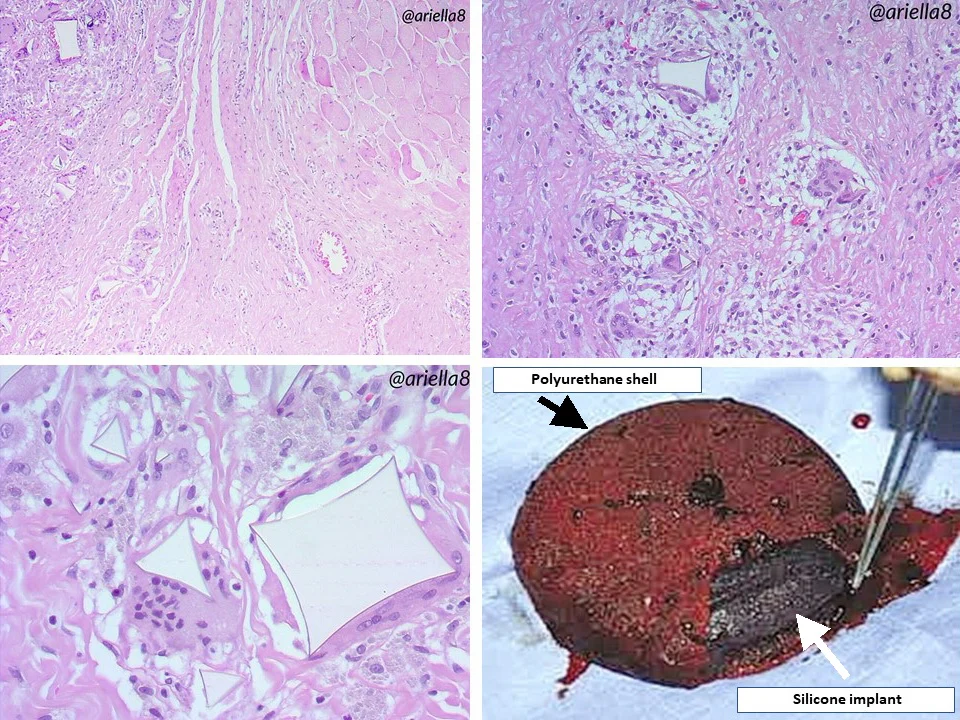
The pristine, smooth curve of a silicone breast implant promised flawless perfection, a seamless enhancement to the female form. Yet, beneath that carefully engineered surface lay a perilous secret: a cheap, industrial substance that should never have been inside the human body. Across global markets, hundreds of thousands of these unapproved implants were quietly sold, transforming a vanity procedure into a potential health crisis.
This was the catastrophic saga of Poly Implant Prothèse, a French company that managed to masquerade a dangerous financial shortcut as a medical breakthrough. Founded in 1991 by Jean-Claude Mas, the company produced silicone gel breast implants for worldwide consumption. The remarkable nature of the scandal lay in the deliberate switch from regulated, medical-grade material to a significantly cheaper, unregulated industrial silicone, a decision that exponentially increased the risk to every woman who received one.
The deadly substitution
The process of deception began subtly, starting in 2001. PIP had initially produced its products using the mandated medical-grade silicone, maintaining a high-end presence, even selling a premium line to wealthier clientele. However, the company subsequently began replacing this material with unapproved industrial-grade silicone, a move driven by cost savings. This cheap alternative cost only 10% of the price of the approved gel.
PIP, which previously had ties to the medical sales world through Jean-Claude Mas’s earlier career as a medical sales representative for Bristol Myers, scaled up production dramatically. Over two decades, the company manufactured approximately 2 million sets of these implants. The dangerous substance, like banned chemicals such as Baysilone used at the factory, meant that these implants carried a terrifying vulnerability.
A fatal cost for corporate greed
The use of the unregulated substance dramatically elevated the risks associated with the devices. These implants were implicated in several cases of induced breast cancer, and they carried a 500% higher risk of rupturing or leaking compared to the certified models. The failure of the implants was not merely a cosmetic issue; it was a severe biological hazard.
The manufacturing facility itself was shut down after the company was found to be using these banned chemicals. The negligence extended beyond PIP itself; a French court later found TÜV Rheinland negligent in 2021. The truth of the situation was so stark that one professional commented, “You had to have been a chemist to have noticed anything” — Eric Mariaccia.
The unraveling of the operation
The scale of the problem became undeniable when the French health ministry took action in 2010, recalling all of PIP’s implants. The company was subsequently placed into liquidation in March 2010, incurring losses amounting to 9 million EUR. The international scope of the operation was vast, as the company exported its products to countries including Brazil, Venezuela, and Argentina.
The consequences for the women who had trusted the promise of the implant were immediate and grave. AFSSAPS registered 15 cases of breast adenocarcinoma specifically among women who had received these implants. Furthermore, during a period of 672 preventive extractions, an alarming 43 implants had ruptured, representing a 6.4% failure rate. In response to the crisis, the French government recommended that 30,000 women seek implant removal in 2011.
Justice and lasting shadows
The repercussions for the executives were severe. In 2013, Jean-Claude Mas was sentenced to four years in prison. While the initial manufacturing run had produced millions of units across the globe, the scandal forced a massive re-evaluation of medical device safety and corporate accountability. The case highlighted the extreme danger inherent when cost-cutting measures are prioritized over patient safety.
The PIP saga remains a stark, chilling example of how a financial decision can translate into widespread public health devastation. The pursuit of profit, concealed by a veneer of medical excellence, exposed a profound betrayal of trust. The promise of flawless perfection, once manufactured in a French factory, ultimately proved to be a deadly lie.
Background: Wikipedia