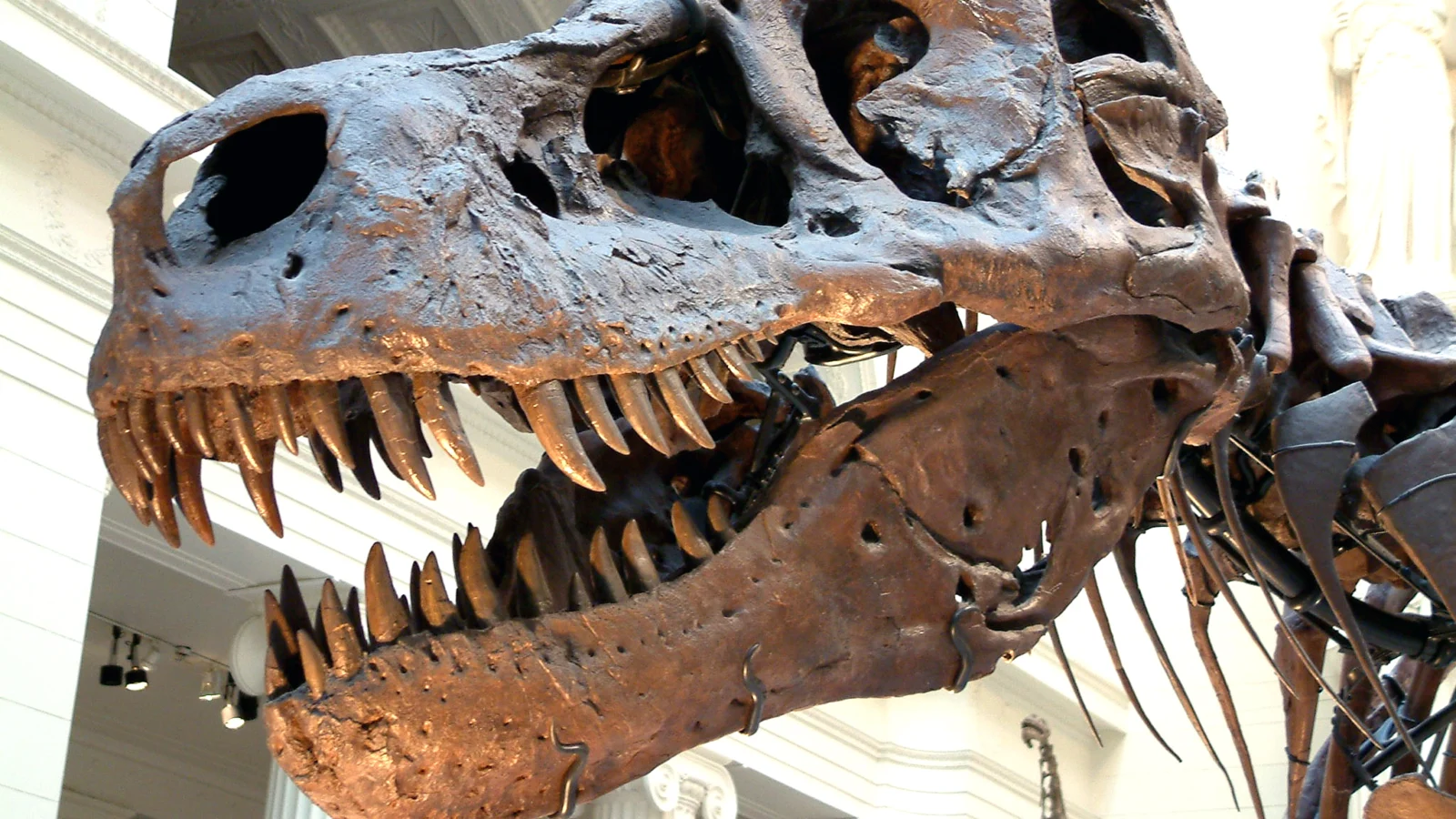
The hushed, polished halls of Sotheby’s in New York witnessed a dramatic financial spectacle this past Tuesday. A magnificent, yet relatively small, fossil skeleton made its grand entrance, drawing global attention from collectors and paleontologists alike. This rare specimen, known as Jodi, represented more than just bone; it was a tangible link to a formidable prehistoric world.
The auction concluded with the skeleton fetching an astonishing final price of $47.3 million. This incredible sum was achieved after a fierce, twelve-minute bidding war, pitting six interested parties against one another. The small dinosaur, a relative of the mighty Tyrannosaurus rex, was officially discovered back in 2019, providing an invaluable glimpse into dinosaur evolution.
A tiny giant of the Cretaceous
The specimen, named Jodi, is a remarkably preserved skeleton of Nanotyrannus. This fascinating creature belonged to the late Cretaceous period, a time of immense biodiversity and colossal reptiles. It is known for being a smaller iteration of the apex predator, the Tyrannosaurus rex.
The significance of this find is deeply rooted in its timing. Nanotyrannus existed alongside the T. rex approximately 67 million years ago. This temporal proximity allows scientists to gain crucial insights into the ecosystem dynamics of that ancient world. Furthermore, the skeleton was publicly displayed at the auction house on 13 October, allowing observers to appreciate its grandeur before the sale.
The thrill of the bidding war
The auction itself proved to be a thrilling contest, blending modern technology with high-stakes antiquarianism. While Sotheby’s had initially estimated the specimen would attract a price between $6 million and $9 million, the actual figures soared far beyond those projections.
The competition spanned both online platforms and traditional phone bidding, ensuring maximum global participation. Despite the high-octane bidding battle, the transaction was eventually completed over the phone. The ultimate identity of the buyer remains undisclosed, adding an air of mystery to the monumental sale.
Scientific and financial impact
The staggering sale price instantly cemented Jodi’s place in the annals of fossil history. With this acquisition, the specimen holds the distinction of being the “second most valuable dinosaur ever sold at auction,” according to Sotheby’s. This massive financial valuation underscores the extraordinary rarity and scientific importance of the Nanotyrannus skeleton.
The discovery of Jodi in 2019 provided a unique opportunity to study a smaller predator coexisting with the largest theropods of its era. Such specimens are invaluable tools for understanding niche ecological roles within dinosaur communities. The skeleton, which was photographed by Yuki Iwamura/AP, is now owned by a private collector, though its scientific legacy will endure.
The sale demonstrates the powerful convergence of paleontology and high finance. While the buyer’s identity remains private, the fossil continues its journey from ancient predator to modern icon. The hunt for prehistoric treasures continues, proving that the past, when captured in bone, holds immense value.
Source: the Guardian